Global Pet Health Spending Doubles — Data Shows Health Will Be a Top Consideration by 2026
March 27, 2026
“By 2026, global expenditures on pet health—including veterinary services, diagnostics, and medicine—are projected to surge as the fastest-growing component of the pet care market, reflecting a broad shift toward preventive care and premium health investment by pet owners. ”

Estimated reading time: ~10 min┃Post by Harper Sinclair
The global pet care economy is in the midst of a profound transformation. What was once a steadily growing consumer segment has become one of the most dynamic and emotionally charged markets on the planet — driven by pet humanization, rising disposable income directed toward companion animals, and a growing focus on preventive health. As pet parents increasingly treat their companions like family members, spending priorities are shifting away from basic food and supplies toward advanced health care, diagnostics, and wellness services. Based on the latest industry forecasts, pet health spending is on track to double in importance by 2026, cementing health and wellness as the central pillar of the global pet economy.
The Rising Tide of Pet Health Spending
In the early 2000s, pet expenditures were dominated by food, routine supplies, and basic services like grooming and boarding. However, over the last decade, this pattern has shifted dramatically. Today, pet owners are increasingly allocating a larger share of their budgets to health-related spending — from routine veterinary visits to advanced diagnostics, wellness products, and preventative care.
Industry forecasts show that overall pet care spending continues its strong upward trajectory, but the fastest-growing segment is indisputably health and veterinary services. While precise global figures vary by source, multiple market analyses indicate that spending on pet services — particularly animal health — is expanding at a compound annual rate that outpaces many other retail sectors.
Morgan Stanley research suggests that by 2030, pet services — with animal health as the primary component — could more than double compared with 2019 levels, driven by growing demand for veterinary services and health-oriented products. This trend is significant because it underscores a fundamental shift: pet owners are no longer just spending money to “keep pets alive”; they are investing to ensure quality of life and longevity.
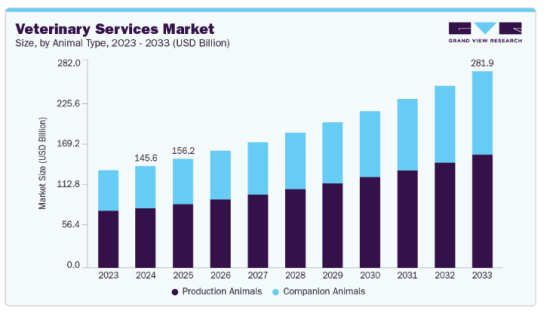
(Source: grandviewresearch.com )
Drivers Behind the Health-Centric Spending Surge
1. Humanization of Pets
One of the core drivers of increased health spending is the humanization of pets — the cultural shift that sees animals viewed as full family members rather than property or commodities. As pets occupy more central emotional roles in households, owners are inclined to invest in products and services that mirror human health priorities, including preventive care, diagnostics, and higher-end medical treatment.
This psychological shift is supported by broader consumer behavior insights: many pet parents now budget for pet wellness the same way they budget for their own preventive health, placing a premium on long-term outcomes over short-term cost savings. As one financial survey shows, nearly three in ten U.S. pet owners reported spending more on their pet’s health and wellness than they do on their own health in a typical month.
2. Rising Veterinary and Health-Service Costs
Economic pressures, including inflation and rising operational costs for clinics, have contributed to higher prices for pet health services. Veterinary care costs have risen significantly — in some markets by more than 40 % over recent years — which in turn increases overall spending even if visit frequency remains steady.

In certain regions, increased regulatory scrutiny and reforms are also shaping spending dynamics. For example, recent proposals in the UK to increase price transparency and cap prescription fees reflect growing concern over accessibility and fairness in veterinary costs — a trend that may help balance prices but also highlights how high current costs have become.
3. Expansion of Preventive and Predictive Health Solutions
The adoption of preventive and predictive health technologies — from wearable biometric monitoring devices to genetic tests — is helping to fuel health-oriented spending. These tools promise earlier disease detection and more effective long-term care, reducing emergent health crises and enabling pet parents to make proactive decisions.
Wearables, DNA screening, and gut microbiome analyses have already gained traction among pet owners and are expected to become even more mainstream by 2026. These innovations not only promise better health outcomes but also expand the definition of “pet health spending” beyond the traditional vet visit.
4. Premium Nutrition as a Health Strategy
Nutrition is another major factor in health-related spending. Functional foods and supplements — including products formulated for joint support, digestion, and immune health — are now marketed as preventive tools that contribute directly to long-term wellbeing. Pet owners see these products as investments in delaying or preventing future costly medical interventions.
5. Subscription Services and Predictable Health Spending
Subscription and auto-renewal services — for food, supplements, and even tele-vet access — are growing rapidly. They offer predictable expenses and convenience, appealing especially to younger pet owners who value streamlined care. This shift toward stable health-centric subscriptions also contributes to the growth of overall health expenditures — because consistent engagement often leads to higher lifetime spending.

Global and Regional Market Insights
Pet health spending is not uniform across all geographies but reflects local income levels, cultural norms, and healthcare infrastructure.
In mature markets like the United States and Western Europe, pet care — especially health services — enjoys high penetration rates, with veterinary visits, preventive treatments, and advanced diagnostics becoming routine elements of pet parenting budgets. Research shows that in the U.S., veterinary services represent a significant slice of overall pet care expenditure, with owners increasingly willing to invest in both preventive and specialized care.
Emerging markets are also contributing to the global health-focused shift. Rising middle classes in Latin America, Asia, and parts of Africa are adopting pets in greater numbers and placing strong emphasis on quality of life — including veterinary care — as disposable incomes grow.
Challenges and Future Considerations
Despite the optimistic projection of health spending growth, several headwinds could influence the trajectory:
● Affordability and Access: Rising costs may deter routine vet visits for some owners, as evidenced by reports showing a decline in visits due to cost pressures, even as industry prices climb. This dynamic could constrain spending growth or shift it toward lower-cost preventive products.
● Insurance Adoption: Pet insurance can buffer high medical costs, but rates of adoption vary significantly across regions. Increased insurance penetration could support higher spending on health services, while stagnation could keep some owners from accessing advanced care.

● Economic Uncertainty: Broader economic conditions — inflation, job market volatility, currency fluctuations — can impact discretionary spending on pets. Even with strong emotional incentives, budget constraints may force trade-offs among spending categories.
What This Means for the Industry?
By 2026, the pet care industry will be deeply shaped by health-oriented spending patterns. Brands and service providers that succeed are those that align with pet parents’ priorities: transparency, value, measurable outcomes, and preventive care pathways.
Veterinarians, diagnostics companies, wellness brands, and tech innovators are all positioned at the center of this shift. Investment in research-backed products, data-driven services, and digital health platforms will accelerate advancements and expand consumer engagement, reinforcing health as the dominant driver of pet sector growth.
More broadly, the doubling of health-related expenditures within the pet economy reflects a societal shift toward treating companion animals with the same care priorities once reserved for human health. This cultural change not only influences how money is spent but also how the industry defines success — in terms of both financial growth and wellbeing outcomes for pets.
(The views expressed in this article are those of the author and should not be taken as professional financial or veterinary advice. Readers should consult qualified professionals before making decisions based on this content. Sources cited are provided for informational reference only.)
About the Author
Harper Sinclair is a seasoned pet industry analyst, writer, and commentator with more than a decade of professional experience covering the evolving landscape of global pet care, health spending, and consumer trends. Combining deep subject-matter expertise with a passion for animal welfare, Harper has authored numerous in-depth reports and articles that decode the shifting priorities of pet owners and the economic forces shaping the pet care market.
References
[1] Grand View Research. (2024). Pet Medicine Market Size, Share & Trends Analysis Report (2026–2033)
[2] SNS Insider. (2025). Companion Animal Health Market Analysis
[3] Morris, M. (2026). The future of the pet economy: Where consumer spending is heading in 2026. Forbes.