The Pet Olympics and the Growing Global Market for Animal Competitions
March 24, 2026
In this Article:
● Animal competitions are evolving into a global, monetized industry driven by the rapid growth and humanization of the pet economy.
● Modern events prioritize performance, athleticism, and entertainment, transforming pets into trained competitors and even athletes.
● Technology and data tracking are reshaping training and competition, enabling more precise performance measurement and global accessibility.
● Social media has amplified the visibility and commercial value of competitive pets, turning them into influencers and marketing assets.

Estimated Reading Time: 12–14 minutes┃Post by Lena Marlowe
From dock-diving dogs soaring through the air to choreographed equestrian routines and viral cat agility clips, the idea of a “Pet Olympics” is no longer hypothetical. Around the world, animal competitions are evolving into organized, monetized, and globally connected industries.
What was once a niche pastime has become a serious economic and cultural phenomenon. These events now sit at the intersection of entertainment, commerce, and human identity. At the center is a rapidly expanding pet economy that continues to reshape how animals are trained, showcased, and valued.
The rise of animal competitions is inseparable from the explosive growth of the global pet industry. Recent estimates place the market at roughly $300 billion in 2024, with projections continuing upward in the coming years.
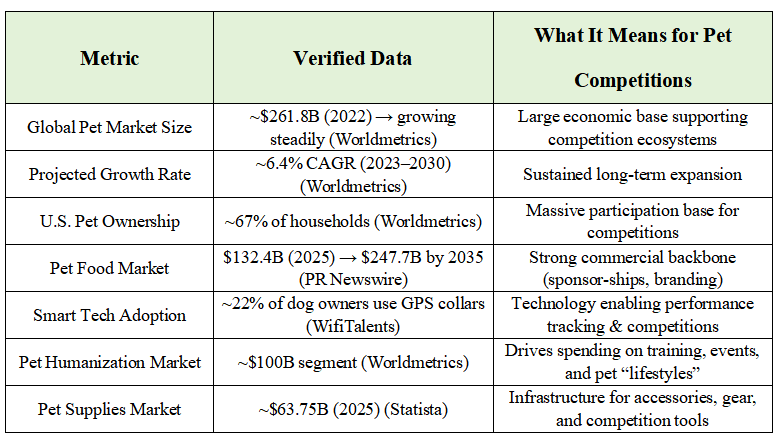
(Table 1-Global Pet Industry: Market Size, Growth, and Competitive Drivers)
Other analyses suggest the broader sector could exceed $500 billion by 2030, driven by sustained consumer demand and expanding services .
Several structural forces are driving this growth. Pet ownership continues to rise globally, while spending per pet increases even faster. The industry has diversified into food, healthcare, insurance, accessories, and digital services. In the United States alone, annual pet spending surpassed $150 billion in recent years .
Perhaps the most influential factor is the humanization of pets. Surveys indicate that around 95% of owners consider their pets family members . This shift fundamentally changes spending behavior. Owners are no longer purchasing basic care; they are investing in lifestyle, wellbeing, and increasingly, performance.
Within this context, animal competitions emerge as a natural extension of emotional and financial investment.
From traditional shows to performance-driven events
Animal competitions have existed for decades, particularly in the form of traditional dog shows focused on breed standards. However, the modern landscape is far more dynamic.
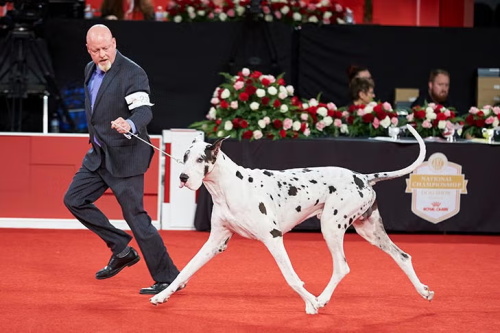
Today’s competitions emphasize movement, skill, and entertainment. Agility courses, flyball races, dock diving, and canine freestyle have transformed passive judging into spectator-friendly sport. Even unconventional animals such as rabbits and cats now participate in structured competitions.
This evolution reflects broader entertainment trends. Audiences demand excitement and narrative, not static evaluation. As a result, competitions are becoming faster, more visual, and more accessible to global audiences.
Digital formats have further expanded participation. Online contests, video submissions, and social media voting systems allow pets to compete without geographic constraints. This hybridization of physical and digital competition is a defining feature of the modern “Pet Olympics.”

A significant shift in this space is the emergence of pets as athletes. Competitive animals are now trained using structured regimens that mirror human sports science.
Owners invest in specialized diets, conditioning equipment, and recovery services. The broader pet economy reflects this trend, with strong growth in accessories, wellness products, and training services. For example, the pet accessories market alone is projected to approach $10 billion by 2030 .
Training increasingly includes endurance work, strength conditioning, and behavioral optimization. Professional trainers and handlers play a growing role, particularly in high-level competitions.
This professionalization signals a shift from hobbyist participation to semi-professional and even commercialized performance ecosystems.
Technology reshaping competition
Technology has become a critical enabler in competitive pet culture. Smart collars, wearable trackers, and health-monitoring devices allow owners to quantify performance and optimize training.
Data-driven approaches now extend to activity tracking, sleep analysis, and even biometric monitoring. Approximately 22% of dog owners already use GPS-enabled smart collars, highlighting the rapid adoption of pet technology .
These tools create measurable benchmarks, allowing competitions to become more standardized and performance-oriented. In effect, pets are entering a quantified training environment similar to elite human athletics.
Technology also enhances accessibility. Livestreaming, digital scoring, and mobile platforms allow competitions to reach global audiences, further accelerating growth.
Social media and the rise of pet fame
Social media has transformed the visibility and economics of animal competitions. Platforms such as Instagram and TikTok have created a new category of participant: the pet influencer.
A significant percentage of pet owners actively share content online, with nearly 70% engaging through social media platforms . This digital presence turns competitions into content engines.
Winning is no longer the sole metric of success. Visibility, engagement, and audience growth are equally important. Some pets achieve celebrity status, attracting sponsorships, brand deals, and media appearances.
This creates a feedback loop. Competitions generate content, content generates audiences, and audiences drive commercial value. In this ecosystem, entertainment and competition become inseparable.
Global expansion and regional differences
While North America remains the largest market, other regions are rapidly expanding. The United States leads in spending and infrastructure, but Asia-Pacific markets are experiencing the fastest growth due to urbanization and rising incomes.
Europe maintains strong traditions in structured competitions, often emphasizing regulation and animal welfare. Meanwhile, Latin America is emerging as a high-growth region with increasing commercialization.
Globally, the expansion of the pet market is consistent across regions. The industry has grown at roughly 10% annually in recent years, reflecting strong and sustained demand .
As these markets develop, the potential for international competitions increases. Cross-border events, standardized rules, and global sponsorships are likely to follow.
Commercialization and business ecosystems
Animal competitions are increasingly embedded in commercial systems. Revenue streams now extend far beyond entry fees.
Major sources include sponsorships, media rights, merchandising, and training services. Pet food companies, in particular, play a dominant role in funding and promoting events. The pet food segment alone generates over $150 billion globally, making it the largest category in the industry.
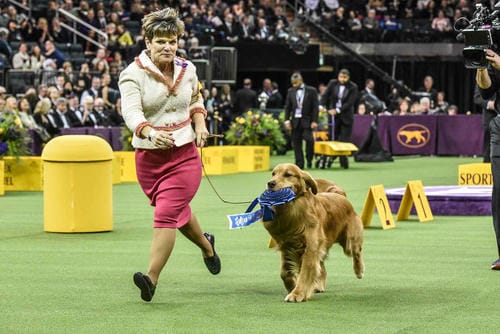
Brands leverage competitions as marketing platforms. A successful competition dog or viral pet can significantly influence consumer purchasing behavior.
This integration of commerce and competition reflects a broader shift. Pets are no longer just consumers of products; they are also marketing assets within a larger economic ecosystem.
Despite rapid growth, the industry faces important ethical questions. Competitive environments can place physical and psychological stress on animals if not properly managed.
Concerns include overtraining, selective breeding, and performance pressure. As competitions become more commercialized, the risk of prioritizing entertainment over welfare increases.
Responsible organizations emphasize humane training methods, veterinary oversight, and regulatory frameworks. These measures are essential for maintaining public trust and ensuring long-term sustainability.
The future of the industry will depend on balancing growth with ethical responsibility.
The trajectory of the pet industry suggests continued expansion. With projections indicating a market approaching half a trillion dollars in the next decade , the infrastructure for large-scale competitions will continue to grow.
Standardization, global events, and digital integration are likely next steps. A formalized international competition system is no longer unrealistic.
The concept of a “Pet Olympics” may soon become a structured reality rather than a metaphor.
Animal competitions have evolved into a complex global ecosystem shaped by economics, technology, and culture. What began as simple showcases has transformed into a multifaceted industry with significant commercial and social impact.
The rise of the “Pet Olympics” reflects a deeper shift in how humans relate to animals. Pets are no longer passive companions. They are performers, athletes, and participants in a shared narrative that spans both physical and digital worlds.
As the industry grows, its success will depend not only on innovation and investment, but also on maintaining ethical standards and preserving the wellbeing of the animals at its core.
Q&A: Why this phenomenon resonates?
The popularity of animal competitions is rooted in human psychology as much as economics. Owners project identity and aspiration onto their pets, seeing them as extensions of themselves.
Competitions provide validation, community, and emotional fulfillment. They also strengthen the human-animal bond through shared activity and achievement.
(This article is for informational purposes only. Market figures are based on publicly available data and projections that may change over time. The author does not endorse any specific competitions, organizations, or training practices. Readers should prioritize animal welfare and consult qualified professionals before engaging in competitive activities with pets.)
References
[1] WifiTalents. (2026). Global pet industry statistics.
[2] Ken Research. (2025). Global pet market outlook.
[3] Iberzoo Propet. (2025). Global petcare market trends.
[4] World Animal Foundation. (2026). Pet industry statistics.
Love this content? There’s a whole world of pet care tips and stories waiting for you!