Pet Influencers Are Also a Business—Who Are the Real Beneficiaries?
March 23, 2026
Key Takeaways:
● Pet influencers have become a structured business ecosystem, with owners, brands, and agencies all participating in monetized social media ventures.
● While pet owners receive visibility and short-term financial gains, the majority of revenue is captured by brands and marketing intermediaries.
● Social media fame can both enhance and compromise pet welfare, as frequent engagement, photoshoots, and performance expectations may induce stress.
● The long-term sustainability of the pet influencer market depends on diversification, ethical standards, and regulatory oversight to ensure pets remain well-cared-for participants.

Estimated Reading Time: 8–10 minutes┃Post by Morgan Ellis
In recent years, the phenomenon of pet influencers has surged across social media platforms. Dogs, cats, and other animals with a charismatic presence now garner millions of followers, commanding engagement rates comparable to those of human celebrities. From sponsored posts to brand partnerships, pet accounts have become lucrative ventures. Yet, as the industry grows, questions arise: who truly benefits from this pet-centric economy, and what implications does it have for pet welfare, owners, and consumers?
The Rise of the Pet Influencer Economy
Pet influencers are far more than viral sensations. Many operate within a highly structured business framework, complete with managers, photographers, and content strategists. Brands recognize the commercial potential of these accounts, leveraging the emotional resonance pets have with audiences. Sponsored content can range from premium pet food promotions to luxury accessories, and in some cases, a single Instagram or TikTok post can net hundreds or thousands of dollars for the owner.
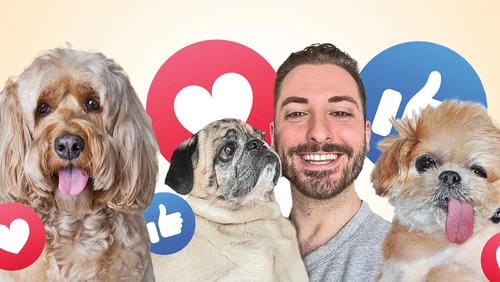
Industry analyses estimate that the global pet influencer marketing industry has grown at a compound annual growth rate (CAGR) of 15–20% over the last five years. This trend reflects both the increased spending on pet care and the broader commercialization of social media content. Yet, despite the financial windfall, it is crucial to dissect who profits most in this ecosystem.
Owners vs. Brands: Who Gains the Most?
While pet owners may receive monetary compensation and perks, the lion’s share of revenue often flows to the brands themselves. Companies benefit from pet influencers’ trust-based marketing: a dog enthusiast may be more likely to buy a new treat brand if their favorite canine posts about it. Meanwhile, pet owners frequently operate under contract terms that limit long-term earnings, capping the potential financial upside.
Marketing agencies that specialize in pet influencer management also take a substantial cut. They provide services ranging from audience analysis to campaign coordination, often positioning themselves as indispensable intermediaries. Consequently, while pet owners may see increased visibility and short-term financial gain, brands and agencies frequently capture the more substantial, sustainable revenue streams.
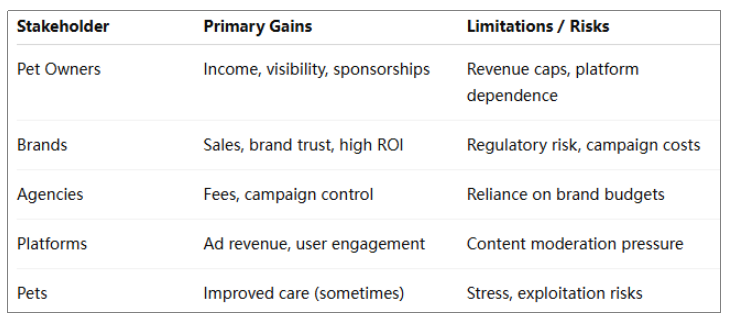
(Table 1- Value Distribution in the Pet Influencer Ecosystem)
The Welfare of the Influenced Pet
A critical dimension of this discussion concerns the pets themselves. While social media fame can lead to better care in terms of grooming, nutrition, and veterinary attention, it can also introduce stressors. Frequent photoshoots, exposure to crowds, or pressure to perform “tricks” for engagement may compromise animal welfare. Animal behavior specialists caution that not all pets adapt equally to the demands of influencer life, and welfare considerations should remain paramount.
For consumers, pet influencer content can blur the lines between authentic recommendation and marketing strategy. Followers may assume that pets enjoy the products being advertised, yet the reality is often less clear. Ethical questions emerge when marketing promotes unnecessary or luxury items under the guise of pet well-being. Moreover, the aspirational lifestyles portrayed online can encourage overspending or unrealistic expectations among pet owners.
Regulatory Oversight and Emerging Standards
Regulatory frameworks are beginning to address the marketing of products via influencers, including pets. In the United States, the Federal Trade Commission (FTC) requires clear disclosure of sponsored content, extending to accounts run by pets. Some European countries have similar requirements. Nevertheless, enforcement remains inconsistent, and many pet influencers operate in a gray area, blurring the distinction between entertainment, recommendation, and advertising.

Industry associations and advocacy groups are also stepping in, establishing voluntary guidelines to ensure transparency and ethical treatment of animal influencers. For instance, some organizations now provide certification programs for pet-focused content creators, emphasizing responsible promotion practices and animal welfare.
Long-Term Viability and Market Saturation
As the pet influencer market matures, questions about sustainability arise. The initial novelty of animal content is waning as more pets enter the social media landscape. Engagement rates are increasingly competitive, and only a fraction of accounts achieve monetizable scale.
Future success may depend on diversification, including merchandise, licensing, and cross-platform content. Pet influencers with strong personal branding and engaged audiences may transition into long-term partnerships with brands or even launch independent product lines. However, many smaller accounts will likely remain minor participants in a market dominated by a few high-profile influencers.

Pet influencers exemplify the convergence of entertainment, commerce, and social media strategy. While owners often enjoy visibility and short-term financial benefits, brands, agencies, and marketers capture the bulk of the economic value. Ethical considerations, particularly regarding animal welfare and consumer transparency, must guide the industry’s future growth. As social media continues to evolve, stakeholders—from owners to regulators—must navigate these dynamics carefully to ensure that pets remain well-cared-for participants rather than mere tools for profit.
(The opinions expressed in this article are solely those of the author. The content is intended for informational and educational purposes only and does not constitute professional, legal, or veterinary advice. Readers should consult appropriate experts for guidance regarding pet care, marketing, or financial decisions.)
About the Author
Morgan Ellis is a journalist and pet industry analyst with over a decade of experience covering animal welfare, marketing trends, and social media strategies. Her work has appeared in Pet Business Magazine and Animal Behavior Today, where she combines rigorous research with accessible storytelling for a broad audience of pet owners and professionals.
References
[1] Smith, J. (2025). The economics of pet influencers: Trends and forecasts. Pet Marketing Insights.
[2] Lopez, A., & Chen, R. (2024). Pet welfare in the social media era. Journal of Animal Behavior and Welfare, 18(2), 45–61.
[3] Federal Trade Commission. (2023). Disclosures 101 for social media influencers.
Curious for more? We’ve got plenty of pet tips, guides, and stories to enjoy!