
Trends in the Pet Technology and Health Industry Over the Next Decade
March 27, 2026
"Data-driven innovation—spanning AI, wearable technology, telehealth, and personalized nutrition—is set to transform pet care over the next decade into a predictive, highly individualized, and rapidly expanding global industry."

Estimated Reading Time: 10 minutes┃Post by Jordan Whitaker
The pet industry is entering a period of unprecedented growth, fueled by technological innovation, evolving consumer expectations, and a heightened focus on health and wellness. As pets are increasingly seen as family members, owners are willing to invest more in products and services that enhance quality of life, longevity, and overall well-being. This article explores data-driven trends that are shaping the pet technology and health industry, offering predictions for the next decade based on growth signals and technological advances.
Over the last five years, the market for smart pet devices—including trackers, feeders, litter boxes, and wearable health monitors—has expanded significantly. Industry analysts report that global spending on connected pet devices surpassed $3.2 billion in 2025, with projections indicating a compound annual growth rate (CAGR) of 18% through 2035 (Grand View Research, 2025).
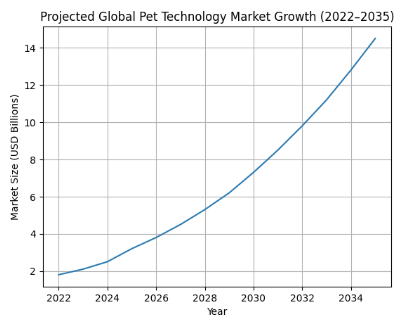
(Table 1- Projected Global Pet Technology Market Growth 2022-2035)
The chart illustrates projected growth from approximately $1.8 billion in 2022 to over $14 billion by 2035, reflecting strong CAGR driven by IoT adoption, AI integration, and increasing pet humanization.
Wearables and Health Monitoring
Wearable technology is emerging as a core component of preventive pet health. Devices capable of tracking heart rate, activity levels, sleep patterns, and caloric intake are becoming standard for health-conscious pet owners. Data from these devices can help veterinarians detect early signs of illness, optimize nutrition, and even monitor chronic conditions remotely. Machine learning algorithms applied to this data are predicted to drive personalized care plans, enhancing pet longevity and quality of life.
Automated Feeding and Environmental Control
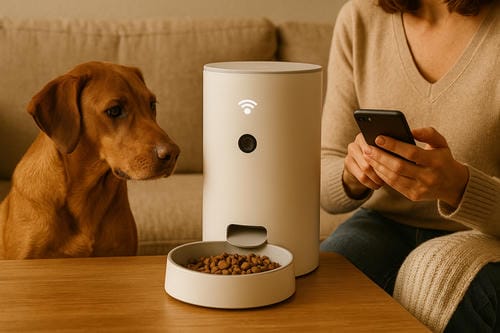
Smart feeders, automatic water dispensers, and climate-controlled habitats are gaining popularity among urban pet owners. Data analytics allows these devices to adjust feeding schedules and portion sizes based on activity, metabolism, and weight trends. Similarly, connected habitats—temperature-regulated aquariums, smart terrariums, and climate-controlled kennels—leverage IoT data to maintain optimal living conditions, reducing stress and promoting health.
Telehealth and Remote Veterinary Services
The COVID-19 pandemic accelerated the adoption of telehealth in human healthcare, and a similar trajectory is observable in veterinary medicine. Tele-veterinary services now enable consultations, diagnostic reviews, and prescription management from a distance, offering convenience and reducing stress for both pets and owners.
Recent market analyses suggest that virtual veterinary services will account for nearly 25% of all pet health consultations by 2030 (Pet Health Market Insights, 2026)[2]. Advanced AI-driven diagnostic tools are expected to enhance accuracy, enabling remote triage and preventive interventions before critical conditions arise.
Predictive Analytics and Personalized Care
The convergence of big data, AI, and genomics is creating a new era of predictive pet healthcare. Genetic testing kits, once niche, are now mainstream, allowing owners to understand breed-specific risks for disease, behavioral tendencies, and dietary requirements. When combined with wearable device data and veterinary records, predictive models can forecast health risks, guide preventive measures, and tailor wellness plans for individual pets.
For example, AI algorithms can identify patterns in activity levels and vitals to anticipate conditions like arthritis, cardiac disease, or diabetes months before symptoms become apparent. This proactive approach mirrors trends in human healthcare, where predictive analytics is reshaping patient management.

The Intersection of Nutrition and Technology
Pet nutrition is no longer just about feeding. Smart bowls, AI-powered diet planners, and subscription-based meal services are leveraging data to optimize health outcomes. Personalized diets based on DNA, gut microbiome analysis, and activity patterns are becoming a differentiator in premium pet care.
Global spending on personalized pet nutrition is projected to grow from $2.1 billion in 2025 to $5.7 billion by 2035 (Euromonitor International, 2025)[3]. Companies are integrating sensors and mobile apps to track consumption, monitor feeding behavior, and even adjust formulations in real-time, aligning with each pet’s unique physiological profile.
Ethical Considerations and Data Privacy
As the industry becomes increasingly data-driven, ethical and privacy concerns are rising. Collecting sensitive health and behavioral data requires transparent policies, secure storage, and strict adherence to regulatory standards. Companies that prioritize responsible data use and owner consent are likely to gain trust and long-term loyalty. Additionally, technology developers must ensure inclusivity for pets with special needs and avoid biases in predictive algorithms.

The Role of Artificial Intelligence
Artificial intelligence (AI) is at the core of many emerging trends in pet health. From diagnostic tools to behavior prediction, AI is enhancing the accuracy and efficiency of veterinary care. Natural language processing can help interpret pet owners’ reports of behavior changes, while computer vision systems can monitor pets’ gait, posture, and activity in real-time.
By 2035, AI-driven solutions are expected to form an integral part of standard veterinary practice, transforming how preventive care, chronic disease management, and emergency responses are delivered.
Market Consolidation and Investment Trends
The pet technology market is attracting significant venture capital, private equity, and corporate investment. Mergers and acquisitions are reshaping the ecosystem, with tech startups partnering with established veterinary networks to scale services and integrate hardware, software, and wellness platforms.
Analysts predict that over the next decade, we may see a few dominant global platforms that combine telehealth, nutrition, wearables, and predictive analytics into unified pet care ecosystems. These platforms will likely standardize data protocols, improve interoperability, and facilitate personalized care at scale.

Sustainability and Environmental Impact
As consumer awareness grows, sustainability is becoming a key factor in product design. Smart pet devices and nutrition services are being engineered to reduce waste, conserve energy, and incorporate eco-friendly materials. Brands that integrate circular economy principles—such as refillable packaging for smart feeders or recyclable wearables—will align with the ethical expectations of modern pet owners.
The next decade in pet technology and health promises a data-driven revolution. Wearable devices, telehealth, predictive analytics, and AI-powered nutrition will converge to create personalized, efficient, and proactive pet care. While growth is promising, the industry must navigate ethical considerations, data privacy, and sustainability challenges. Pet owners and industry stakeholders who embrace these trends will not only improve pets’ lives but also shape a more innovative, health-conscious, and responsible ecosystem for the future.
(This article is for informational purposes only and does not constitute veterinary advice. Readers should consult qualified veterinary professionals for any medical concerns regarding their pets. The predictions and trends discussed are based on publicly available data, market analyses, and technological signals and may be subject to change.)
About the Author:
Jordan Whitaker is a seasoned pet industry analyst and technology journalist with over a decade of experience covering innovations in animal health and smart pet care solutions. She has contributed to leading publications on topics ranging from wearable devices for pets to emerging trends in veterinary technology. With a background in data analytics and a deep passion for animal welfare, Jordan combines research-driven insights with actionable guidance for pet owners and industry professionals alike.
References:
[1] Grand View Research. (2025). Pet tech market size, share & trends analysis report.
[2] Pet Health Market Insights. (2026). Tele-veterinary services growth report.
[3] Euromonitor International. (2025). Global personalized pet nutrition market forecast.
Stay a while and wander through more pet stories, tips, and adorable adventures!