How Everyday Items Can Send Pets to the Emergency Room?
March 23, 2026
“Everyday items in our homes—like human medications, common foods, cleaning products and even plants—are among the top causes of emergency vet visits because they can be surprisingly toxic to pets.”

Estimated reading time: 11–13 minutes┃Post by Emily Carter
For most pet owners, the home represents a controlled, protected environment—far removed from the unpredictable hazards of the outside world. Yet veterinary toxicology data consistently shows the opposite: a large proportion of emergency visits stem from exposures that occur inside the home, often involving items owners use every day without a second thought. According to veterinary reports, medications, foods, and household products collectively account for a significant share of poisoning cases, with over-the-counter drugs alone representing nearly 20% of reported incidents.
The Silent Threat Lurking in Everyday Homes
The fundamental issue lies in a mismatch between human assumptions and animal physiology. Pets interact with their surroundings through behaviors that increase exposure risk, such as chewing, licking, scavenging, and grooming. Dogs, in particular, explore the world orally, while cats frequently ingest substances indirectly through grooming contaminated fur. These behavioral tendencies, combined with smaller body size and species-specific metabolic pathways, create a scenario where even trace amounts of certain substances can result in severe toxicity or organ failure.
The modern household is filled with compounds that are safe for humans but harmful to animals. Everyday routines—taking medication, cooking, cleaning, decorating—introduce substances that may become dangerous when left within reach. A dropped pill, an unattended snack, or residue on a freshly cleaned floor can all serve as entry points for exposure. Veterinary clinics repeatedly report that accidental ingestion is one of the most common triggers for emergency care, emphasizing that risk is not tied to negligence but to normal daily activity.
Understanding this dynamic reframes pet safety: the issue is not rare or exceptional but systemic. Risk is embedded in the ordinary, and prevention requires recognizing how common items intersect with animal behavior.
Common Household Hazards That Trigger Emergencies
Human medications remain one of the most dangerous and frequently encountered hazards in domestic environments. Drugs such as ibuprofen, acetaminophen, antidepressants, and cardiovascular medications can cause severe toxicity even in small doses. In cats, acetaminophen interferes with oxygen transport in the blood, while in dogs, nonsteroidal anti-inflammatory drugs often lead to kidney damage and gastrointestinal ulceration. Because pets metabolize drugs differently than humans, there is no safe margin for many substances, making accidental ingestion particularly dangerous.
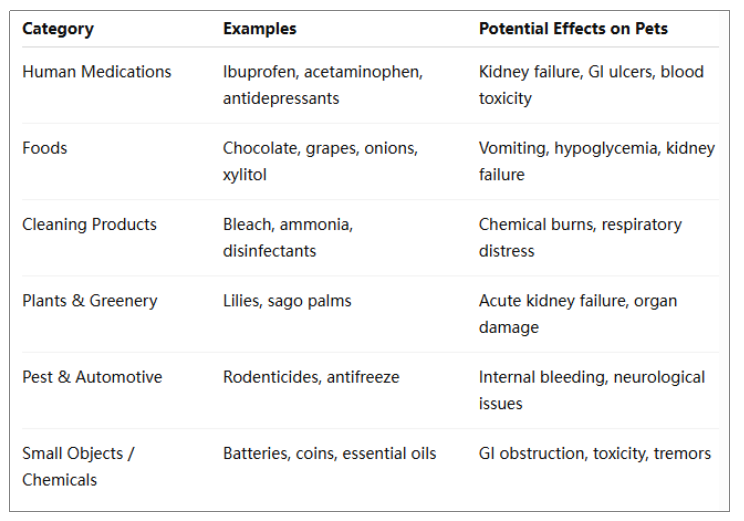
Food-related toxins are another leading cause of emergency visits. Items commonly found in kitchens—chocolate, grapes, raisins, onions, garlic, and alcohol—can produce a wide range of clinical effects, from gastrointestinal distress to acute kidney failure. Grapes and raisins are especially concerning because toxicity is unpredictable; some animals may tolerate small amounts, while others develop life-threatening kidney injury after minimal exposure.
Among modern food additives, xylitol represents a particularly severe risk. This sugar substitute, widely used in sugar-free gum, baked goods, and dental products, triggers a rapid insulin release in dogs, leading to hypoglycemia and potentially liver failure. Even very small quantities can produce dramatic clinical symptoms, including seizures and collapse, often within hours of ingestion.
Household cleaning products introduce another layer of risk. Substances such as bleach, ammonia, and disinfectants can cause chemical burns, respiratory irritation, and systemic toxicity. Pets are uniquely vulnerable because they walk across treated surfaces and later ingest residues during grooming. Unlike humans, who may avoid direct contact, animals experience repeated low-dose exposure that can accumulate over time.
Plants and decorative greenery also contribute significantly to poisoning cases. Certain species, such as lilies and sago palms, are highly toxic and can cause rapid organ failure. In cats, exposure to lilies is particularly dangerous; even small amounts of pollen ingested during grooming can lead to acute kidney failure. The widespread use of these plants in homes and floral arrangements increases the likelihood of accidental exposure, especially during holidays and seasonal events.
Pest control products, including rodenticides and insecticides, are inherently toxic by design. These substances may cause internal bleeding, neurological dysfunction, or organ failure, depending on their formulation. Secondary poisoning is also a concern, as pets may ingest contaminated prey. Similarly, automotive chemicals such as antifreeze pose a severe hazard due to their palatable taste, which can attract animals despite their toxicity.
Smaller household objects introduce both chemical and physical dangers. Batteries can leak corrosive المواد when punctured, while coins and metal objects may cause heavy metal toxicity or gastrointestinal obstruction. These risks are often overlooked because they are not traditionally categorized as “toxins,” yet they account for a notable portion of emergency interventions.
Essential oils and fragranced products represent a more recent category of concern. As their use has increased in homes, so too have reports of toxicity in pets, particularly cats. Exposure can occur through inhalation, skin contact, or ingestion, leading to symptoms such as tremors, respiratory distress, and lethargy. The misconception that “natural” products are inherently safe contributes to underestimating their potential harm.
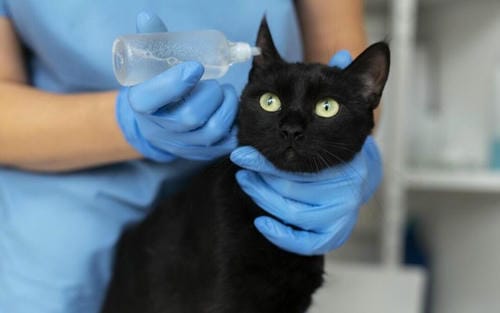
Across all categories, the clinical presentation of poisoning varies but often includes vomiting, diarrhea, lethargy, drooling, tremors, or seizures. In some cases, symptoms may not appear immediately, especially when toxins affect organs such as the liver or kidneys. This delay can create a false sense of security, reducing the likelihood of timely intervention.
Prevention, Awareness, and the Responsibility of Pet Ownership
Preventing household poisoning is less about eliminating all risks and more about implementing structured awareness and control measures. Effective prevention begins with environmental management—storing medications securely, restricting access to high-risk areas, and ensuring that food and waste are not easily accessible. Given that many poisoning incidents occur during routine activities, consistency in these practices is essential.
Label awareness is another critical component. Many harmful substances are not immediately obvious; xylitol, for example, may appear in products marketed as healthy or sugar-free. Reading ingredient lists and understanding common toxic compounds can significantly reduce risk. Similarly, selecting pet-safe alternatives for cleaning products, plants, and pest control solutions can help minimize exposure without compromising household functionality.
Behavioral strategies also play a role, particularly for dogs. Training commands such as “leave it” can prevent ingestion of dropped or accessible items, while controlled access to certain rooms can reduce exposure during high-risk activities like cooking or cleaning. For cats, environmental enrichment and careful placement of objects can limit interaction with hazardous items.

Equally important is emergency preparedness. Pet owners should be familiar with the signs of poisoning and understand that early intervention is critical. Veterinary toxicology emphasizes that treatment outcomes are closely tied to response time; delays of even a few hours can significantly worsen prognosis in severe cases. Immediate consultation with a veterinarian is always recommended when exposure is suspected, even in the absence of symptoms.
The concept of a “safe home” for pets requires a shift in perspective. Safety is not defined solely by the absence of obvious dangers but by an awareness of how everyday objects interact with animal behavior and physiology. The most effective protection comes from anticipating risk rather than reacting to emergencies.
By recognizing that common household items can carry hidden dangers, pet owners can take proactive steps to reduce preventable emergencies. In doing so, they not only protect their animals but also reinforce the broader responsibility that comes with pet ownership: creating an environment where curiosity and companionship can thrive without unnecessary risk.
(This article is for informational purposes only and does not constitute professional veterinary advice. Always consult a licensed veterinarian for diagnosis or treatment. If you suspect your pet has been exposed to a toxic substance, seek immediate medical attention.)
About the Author
Dr. Emily Carter, DVM. A practicing small-animal veterinarian with over 10 years in emergency and critical care, Dr. Carter specializes in toxicology cases involving household exposures. She has treated hundreds of poisoning incidents in clinical settings and regularly contributes to pet health publications, focusing on prevention, risk awareness, and evidence-based safety practices for modern pet owners.
References
[1] Preventive Vet. (2025). Pet emergency statistics.
[2] Bellevue Veterinary Emergency & Specialty. (2025). Common household toxins that are dangerous for pets.
[3] Pet Poison Helpline. (2025). Top five feline toxins.
[4] Dragon Lake Veterinary Hospital. (2025). Common household toxins for pets.
Enjoyed this post? Take a moment to explore more pet care tips, stories, and guides!