The $500 Billion Pet Economy Shows Pet Spending Continues to Break Records Globally
March 24, 2026
Key Takeaways:
● The global pet economy is rapidly expanding and is projected to surpass $500 billion by 2030, driven by sustained consumer demand and structural market growth.
● Pet spending has diversified beyond food into healthcare, services, and technology, reflecting a more mature and segmented industry.
● The pet care sector demonstrates strong economic resilience, maintaining growth even during recessions due to the emotional value placed on pets.
● Global expansion is accelerating, particularly in Asia and Europe, as demographic shifts and rising incomes drive increased pet ownership and spending.

Estimated Reading Time: ~7 minutes┃Post by Jordan H. Rivers
Over the past decade, a seemingly unremarkable segment of the global consumer marketplace has emerged as one of the most durable, fastest-growing and emotionally resilient sectors of the modern economy: pet care. Once a niche industry, the pet economy has metamorphosed into a near-mainstream engine of consumption, now projected to exceed $500 billion globally by 2030—a scale once deemed implausible for any “non-human” category of goods and services. This expansion reflects broad sociocultural shifts, deepening human-animal bonds, evolving demographic patterns, and the increasing fusion of technology and consumer welfare in the way we care for companion animals.
At the heart of this phenomenon lie two fundamental drivers: the humanization of pets and steady diversification of spending categories, from food and healthcare to services, insurance, and high-tech wellbeing. The result is a resilient consumer marketplace that repeatedly sets new records—even in the face of economic pressure and inflationary headwinds. What follows is a comprehensive look at the structural, behavioral, and economic forces propelling this remarkable trajectory.

A Century of Growth and Recent Acceleration
The history of pet spending traces back decades, with incremental increases during much of the twentieth century. But over the last fifteen years, growth has accelerated noticeably. In the United States, personal spending on pets has expanded dramatically, rising from near negligible levels in the early 20th century to over $180 billion in 2023, reflecting broad increases in discretionary income and shifts in household priorities.
Yet, global projections eclipse even these substantial domestic figures. Bloomberg Intelligence forecasts that the global pet economy will grow more than 45% over the rest of the decade, propelled by rising demand across multiple segments and rising pet ownership in both developed and emerging markets. By 2030, this market could exceed half a trillion dollars.
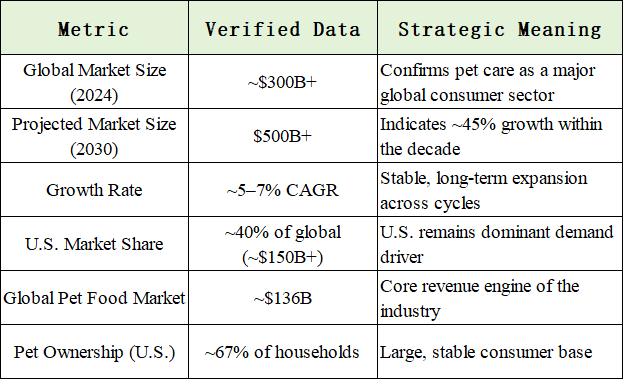
(Table 1- Global Pet Economy Growth Snapshot)
The Humanization of Pets: Emotional Bonds and Economic Impact
Perhaps the most profound cultural change underpinning this growth is the ongoing “humanization” of pets. For millions of households worldwide, companion animals are no longer seen as property or farm helpers—they are family members. This shift has significant economic implications:
● Spending priorities: Recent surveys indicate that many pet owners are willing to cut their own lifestyle expenses before trimming costs related to their animals’ wellbeing. One study found that roughly two-thirds of surveyed owners would reduce personal spending before reducing pet expenditures, reflecting deep emotional commitment.
● Vet care and wellness: Americans increasingly prioritize veterinary care, insurance, and preventative health measures. Pet owners face not only routine checkups, but also expensive specialist care, diagnostics, and therapeutic interventions that mirror spending patterns in human health. Some research indicates that three in ten U.S. pet owners spend more on their pets’ health than on their own health and wellness over time.
● Premium products and services: Younger generations—especially Millennials and Gen Z—express strong preferences for premium goods that align with their values and lifestyles. This includes organic or functional foods, wellness supplements, sustainable accessories, and high-end services such as grooming, training, and boarding.

These behavioral shifts explain why categories that were once considered discretionary have become more central to overall pet spending. Indeed, pet owners now routinely invest in goods and services historically associated with human health, wellbeing, and lifestyle enhancement.
Diversification of Spending: From Food to Tech
The composition of pet expenditures is itself indicative of the industry’s maturation and segmentation:
1. Pet Food Remains Foundational
Nutrition is the largest single component of pet spending globally. While core food purchases formed the bulk of early industry growth, recent trends emphasize premiumization—owners are increasingly choosing high-quality, specialized diets that promise health benefits tailored to age, breed, or condition. Pet food spending is forecast to continue rising, and premium segments are expected to capture a larger share of total sales.
2. Healthcare and Veterinary Services
Healthcare has emerged as one of the most resilient and expanding segments of the pet economy. With pets living longer lives, annual checkups, vaccinations, diagnostic procedures, and specialized treatments represent a growing share of expenditure. In some cases, costs for procedures can rival those faced by human family members, which helps explain why consumers continue spending even in uncertain economic conditions.

3. Services Beyond the Basics
The pet economy has diversified well beyond food and healthcare. Grooming, boarding, training, daycare, and even pet travel services now represent substantial revenue streams. Owners increasingly seek experiences and conveniences that reflect broader lifestyle trends—such as opting for professional care while traveling or selecting pet-friendly vacation options.
4. Technology and Subscription Models
Innovation within the pet space is rapidly reshaping consumer habits. Tech products such as wearables, remote treat dispensers, telehealth services, and data-driven wellness solutions are gaining traction. Coupled with subscription models for repeat purchases like food, litter, or supplements, these technologies offer convenience and recurring revenue opportunities for providers while reinforcing consumer loyalty.
One of the most compelling features of the pet economy is its resilience in economic downturns. Historical data show that pet spending continues its long-term upward trend even through recessions and inflationary periods. Freedman Bank analysis of long-term U.S. spending patterns shows consistent growth in pet-related expenditures through multiple economic cycles.
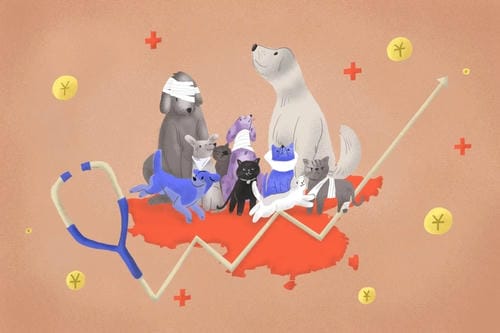
This resilience stems partly from the essential nature of certain spending categories (e.g., food and medicine), but also from the emotional and psychological valuation placed on pets. When economic uncertainty hits, consumers often maintain spending on beloved companions even as they cut back elsewhere. This phenomenon has made pet companies attractive to investors and strategic buyers, contributing to robust merger and acquisition activity across the sector.
While the U.S. market remains the largest single contributor to the global pet economy, other regions—particularly within Asia and Europe—are beginning to show rapid growth. Rising disposable incomes, expanding middle classes, changing cultural attitudes toward pets, and increased urbanization are driving higher adoption and deeper spending across these markets.
Moreover, demographic and lifestyle shifts, such as declining birth rates in certain countries, are elevating pet companionship as a preferred mode of family life. With these trends in motion, global projections suggest continued expansion well into the 2030s.
(This article is intended for informational and educational purposes only and should not be construed as financial or investment advice. Insights are based on currently available research and projections, which are subject to change.)
About the Author
Jordan H. Rivers is a seasoned pet industry analyst and professional pet lifestyle writer with more than 12 years of experience covering consumer trends, behavioral economics, and market strategy within the animal care sector. His research has informed leaders at Fortune 500 pet brands, venture investors, and policy makers alike. Jordan holds a Master’s degree in Consumer Market Analytics and has contributed to industry publications, including Pet Food Insights, Global Consumer Trends, and the Journal of Pet Economics. His work rigorously explores the intersection of culture, economics, and the evolving dynamics of pet ownership.
References
[1] Cleaver, L. (2025). Why the global pet economy is poised to surpass $500 billion by 2030. PetfoodIndustry.
[2] Global pet industry to grow to $500 billion by 2030, Bloomberg Intelligence report finds. WebWire.
[3] Wall, T. (2025). For 100 years, U.S. pet spending rose despite economic downturns. PetfoodIndustry.
Curious for more? We’ve got plenty of pet tips, guides, and stories to enjoy!