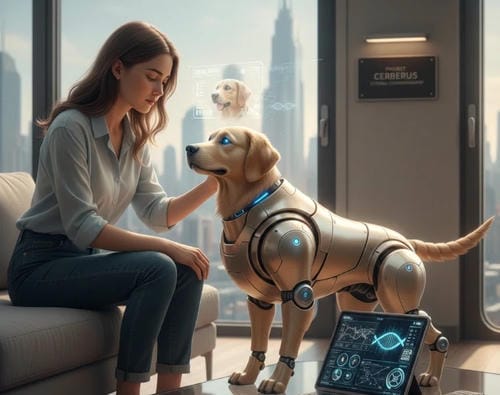
How Smart Devices Are Redefining Human–Pet Interaction?
March 26, 2026
“Smart devices and IoT technology are transforming pet care by enabling continuous monitoring, personalized care, and richer emotional connection between humans and their pets through data-driven insights and remote interaction.”
Estimated Reading Time: 10–12 min┃Post by Aurora Voss
The world of pet care has experienced a technological surge in recent years, with IoT (Internet of Things) and AI (artificial intelligence) reshaping what it means to care for companion animals. What once were simple gadgets like automatic feeders and GPS trackers have evolved into a rich ecosystem of interconnected devices designed to monitor, analyze, and even predict a pet’s needs. These smart devices aim to enhance not only convenience but also the depth of connection between pets and their humans. Modern pet tech growth is driven by busy lifestyles, increased awareness of pet health, and the emotional bond pet owners share with their companions. These trends are pushing smart devices into areas that go beyond basic automation, integrating analytics, personality recognition, and health insights into everyday pet care.
The Smart Pet Tech Revolution
A key trend in 2026 is the proliferation of smart feeders, wearable health trackers, GPS collars, interactive cameras, and AI-powered toys that form a comprehensive pet care network. Smart pet feeders now offer features such as scheduled meal control, precise portion sizes customized to individual pets, and remote feeding via mobile apps. Wearable devices once limited to basic tracking now measure activity levels, sleep patterns, heart rate, and even behavioral changes. Meanwhile, GPS pet trackers provide enhanced location safety with geofencing and escape alerts. This convergence of technologies reflects how smart pet tech is evolving from isolated gadgets to integrated systems that support holistic pet well-being.
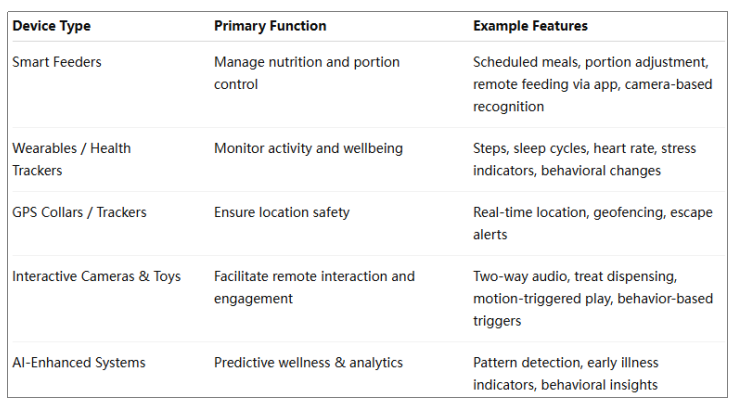
(Table 1: Types of Smart Pet Devices)
Feeding, Tracking, and Health Monitoring
Smart feeding systems represent a fundamental shift in pet nutrition management. Traditional concerns such as inconsistent feeding times, overfeeding, or underfeeding are mitigated by IoT-enabled automatic feeders that integrate sensors, weight scales, and deep learning for personalized portion dispensing. For example, a smart feeder can adjust meal sizes based on the pet’s weight and eating habits, helping to prevent obesity and nutritional imbalances. Research prototypes also demonstrate advanced capabilities like camera-based pet recognition to ensure each animal receives the correct serving in multi-pet households.
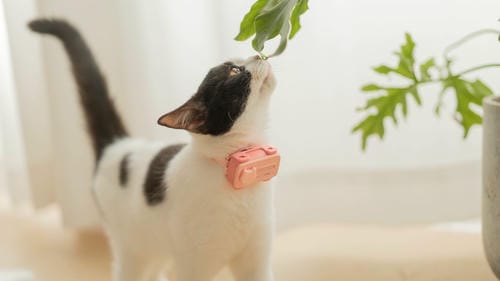
Wearable health trackers and smart collars have grown in sophistication, functioning similarly to human fitness trackers. These devices monitor key metrics including activity level, sleep cycles, heart rate, and stress indicators. Integration with machine learning allows detection of subtle behavioral shifts that may signal stress, illness, or early onset of health issues. Pet owners can receive real-time alerts and longitudinal health reports that give them insight into trends rather than just isolated data points. These tools are particularly beneficial for senior pets or those with chronic conditions.
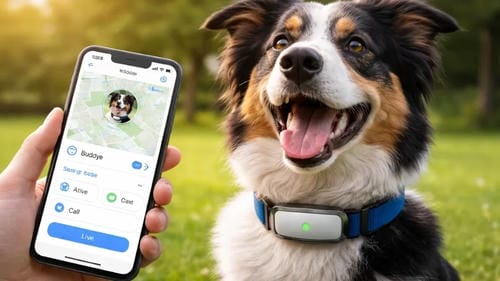
GPS tracking remains one of the most valued features among pet owners, offering peace of mind in knowing a pet’s real-time location, escape alerts, and geofencing options that notify owners when a pet leaves a defined safe zone.
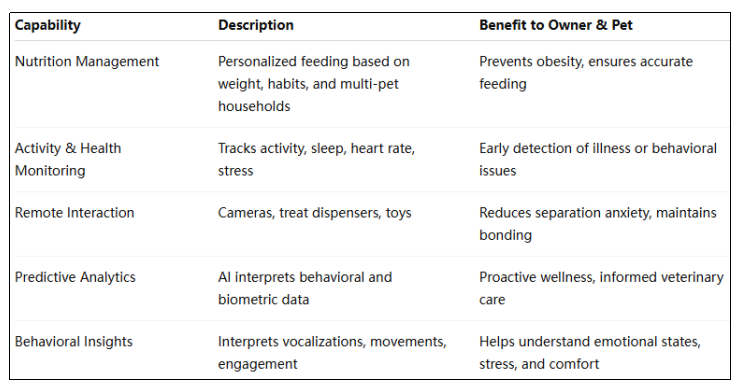
(Table 2: Smart Pet Device Capabilities)
In some regions—such as the UK—this trend has led to a significant increase in wearable use, with owners reporting enhanced security and support during walks or off-lead adventures. However, experts emphasize that technology should complement, not replace, fundamental training and recall skills.
Interaction and Emotional Engagement
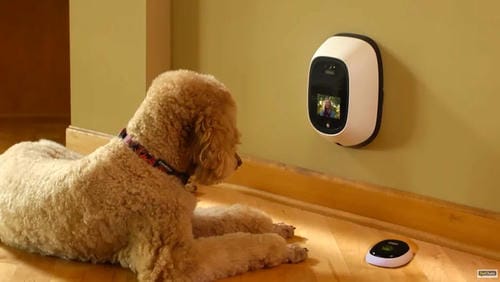
Beyond nutrition and tracking, smart pet technologies now include IoT devices that enhance interaction and welfare. Smart cameras with two-way audio, treat dispensers, and motion-triggered play functions let owners engage with their pets remotely. These systems can help reduce separation anxiety by enabling owners to see, speak to, and reward pets even when away from home. The goal is to maintain a sense of presence and bonding, despite physical distance.
Recent innovations go further. Some platforms now explore behavior-based interaction, where pets can themselves initiate engagement or responses through triggers embedded in the environment or wearables. This is a departure from passive monitoring and suggests a future where pets play an active role in their own connected experience. Additionally, advanced pet tech prototypes and trends showcased at CES 2026 emphasize devices that interpret movement, vocalization, and behavioral cues to provide meaningful feedback to owners.
Data, Insight, and Predictive Wellness
Arguably the most transformative component of modern pet tech lies in its ability to translate data into meaningful insights. Simple tracking has evolved into analytics that interpret patterns over time, enabling pet owners to detect potential health issues weeks before physical symptoms emerge. For example, biometric collars and AI-driven feeders can identify irregularities in sleep, digestion, or activity that suggest underlying medical concerns. These predictive capabilities bring pet care closer to proactive wellness, paralleling trends in human health monitoring.
This emphasis on insights rather than raw data not only supports early intervention but also enriches the human–animal bond by clarifying otherwise subtle behavioral signals. Owners gain a deeper understanding of their pets’ emotional states, stress levels, and overall comfort—information that was previously gained only through daily observation and intuition. The shift toward predictive diagnostics also changes how veterinary care is approached, encouraging preventive interventions and long-term wellness management.
Challenges and Considerations
Despite the promise of smart pet technology, there are important challenges. A key concern among pet owners is reliability and data privacy. Surveys indicate that many owners prefer straightforward, dependable devices over feature-packed products that introduce complexity without clear value. Trust in pet tech hinges on consistent performance and transparent handling of location, health, and behavioral data. Some owners report skepticism about over-interpretation by AI systems or misclassification of behaviors, highlighting the need for balanced design that supports, rather than supersedes, human judgment.
Security risks in IoT devices also represent a practical concern. Recent research has revealed critical vulnerabilities in smart pet products that could expose sensitive data or allow unauthorized control of devices, underscoring the need for stronger industry standards and user awareness around secure practices.
The Human–Pet Bond Redefined
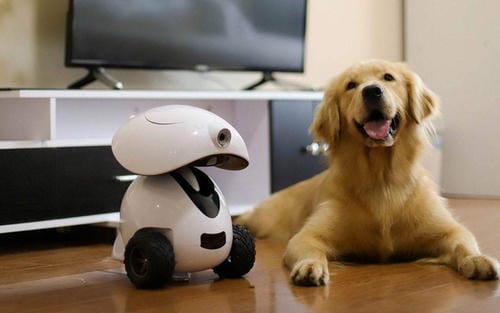
The evolution of pet technology is not simply a matter of gadgets—it reflects a deeper cultural shift in how pets are perceived and cared for. As pets increasingly become full members of the family, owners seek tools that support physical health, emotional wellbeing, and seamless integration into daily life. IoT devices and AI help translate animal behaviors into interpretable signals, enabling more informed care decisions and richer emotional connections. Rather than replacing traditional caregiving, these technologies extend human capacity to understand and respond to pets’ needs, fostering a more nuanced and empathetic relationship.
The trajectory of smart pet technology suggests a future where data informs care, devices facilitate connection, and wellness becomes a shared journey between owner and pet. In this evolving paradigm, technology is not merely a convenience but a partner—expanding the possibilities of love, understanding, and shared life experiences.
(This article is intended for informational and educational purposes and does not constitute professional veterinary or technology advice. Information on devices, trends, and research reflects developments available at the time of writing; individual results may vary. Always consult qualified professionals before making decisions regarding your pet’s health or welfare.)
About the Author
Aurora Voss is a technology-focused pet care writer and former product strategist in the consumer IoT space. With more than a decade of experience in smart home and connected device ecosystems, she specializes in analyzing how emerging technologies affect real-world wellbeing and human interaction. Aurora has worked with tech startups, contributed to industry reports on IoT trends, and regularly writes about the intersection of animal behavior and digital innovation. Her work connects technical insight with practical guidance for pet owners seeking thoughtful, empathetic solutions to modern care challenges.
References
[1] Castillo-Arceo, O. E., Renteria-Flores, R. U., & Santana-Mancilla, P. C. (2024). Design and development of a smart pet feeder with IoT and deep learning. Engineering Proceedings, 82(1), 63.
[2] Top pet tech trends in 2026 – smart gadgets every pet owner should know. (2026). PetNatureHub.
[3] AI helps reunite lost pets with owners. (2026, March 21). The Washington Post.
[4] Why a dog tracker has become a mutt-have for pet owners. (2026). The Times.
Keep the smiles coming—explore more articles filled with pets, tips, and happy moments!