Why Children Start with Small Pets—and What Exactly Do They Learn?
March 25, 2026
Estimated Reading Time: 12–14 minutes┃Post by Clara Winslow Bennett
Why Small Pets Are the Natural Starting Point?
A Developmentally Appropriate First Responsibility
In most families, introducing a child to pet ownership begins with something small and manageable. This is not simply a matter of convenience—it reflects an understanding of how children develop responsibility. Small pets provide clearly defined tasks such as feeding, cleaning, and observing behavior, all of which can be scaled to a child’s age and ability. Research shows that caring for animals gives children early exposure to responsibility and accountability, helping them understand that another living being depends on their actions . Because these tasks are relatively simple, children are more likely to succeed, reinforcing confidence and motivation rather than frustration.
Immediate Cause-and-Effect Learning
Small pets offer short feedback loops, which are crucial for early cognitive development. When a child performs a task correctly, such as feeding or maintaining a clean habitat, the results are visible and immediate. When they neglect care, the consequences are also apparent. This direct connection between action and outcome helps children build foundational reasoning skills. Studies suggest that interacting with pets strengthens children’s understanding of responsibility and consequence, reinforcing logical thinking patterns.
Emotional Simplicity and Safety
Young children are still learning how to regulate emotions and interpret social cues. Larger animals often require more complex interaction and behavioral understanding, which can overwhelm a child. Small pets provide a gentler introduction. Their simpler behavioral patterns allow children to engage in caregiving without navigating complicated emotional exchanges. This creates a psychologically safe environment where children can begin developing empathy at their own pace.
A Controlled Environment for Learning
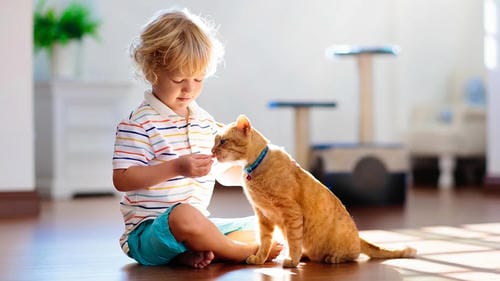
From a parental perspective, small pets create a controlled learning environment. They require less time, lower financial commitment, and reduced long-term risk compared to larger animals. More importantly, they allow parents to supervise closely and guide the child through the caregiving process. This shared responsibility ensures that learning is supported and mistakes become teachable moments rather than failures.
What Children Truly Learn from Small Pets
Responsibility Becomes Real, Not Abstract
One of the most significant lessons children gain is a tangible understanding of responsibility. Feeding a pet or maintaining its habitat is not optional—it must be done consistently. This transforms responsibility from an abstract idea into a daily practice. Research indicates that pet care fosters accountability, routine-building, and commitment, all of which are essential life skills . Over time, children internalize these habits and begin to see responsibility as part of their identity.
Empathy Through Observation and Care
Caring for a small pet requires children to observe and interpret nonverbal signals. They learn to recognize when an animal is hungry, stressed, or comfortable. This process builds empathy and perspective-taking skills.
Scientific studies show that children who interact with pets develop stronger empathy and more humane attitudes toward others, including both animals and people . This emotional awareness often extends into social relationships, improving how children interact with peers and family members.
Emotional Regulation and Comfort
Pets often become a source of emotional stability for children. Because animals do not judge or criticize, children feel safe expressing their thoughts and feelings around them. This can reduce anxiety and provide comfort during stressful situations. Research highlights that pets support emotional development by encouraging children to process feelings and build self-esteem . Even simple interactions, like watching or gently handling a pet, can have calming effects.
Communication and Language Development
Children frequently talk to their pets, narrating actions or expressing ideas aloud. This behavior, while seemingly simple, plays an important role in language development. Studies suggest that children who interact with pets may show improvements in verbal skills and communication confidence, as pets provide a nonjudgmental audience for practice. This informal communication strengthens both expressive language and social interaction skills.

Cognitive Growth and Scientific Thinking
Small pets naturally stimulate curiosity. Children begin asking questions about behavior, diet, and environment, which encourages observation and problem-solving. Research shows that pet ownership is associated with cognitive benefits, including improved attention, learning motivation, and biological understanding . These experiences act as early forms of scientific inquiry, where children learn by observing patterns and testing ideas.
Routine, Discipline, and Time Awareness
Caring for a pet introduces structure into a child’s daily life. Feeding schedules, cleaning routines, and regular observation require consistency. This helps children develop time management and organizational skills. Studies emphasize that pets reinforce routine and discipline, teaching children the importance of consistency in achieving positive outcomes . These habits often transfer to other areas, such as schoolwork and personal responsibilities.
Understanding Life Cycles and Loss
Small pets often have shorter lifespans, which means children may encounter illness, aging, and death earlier than they otherwise would. While challenging, these experiences are developmentally significant. They help children understand life cycles and process complex emotions like grief. Experts note that pets can provide a gentle introduction to these realities, helping children build emotional resilience and coping skills .
Building Confidence and Self-Esteem
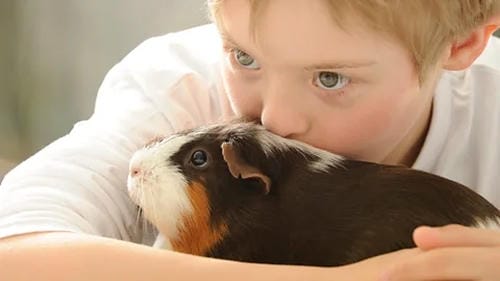
Successfully caring for a pet reinforces a child’s sense of competence. When children see that their actions lead to a healthy, thriving animal, they gain confidence in their abilities. Research shows that pet care contributes to increased self-esteem and a sense of accomplishment, particularly when children feel responsible for positive outcomes . This sense of agency is critical for long-term motivation and self-belief.
The Bigger Picture: Small Pets as Foundations for Lifelong Skills
Early Practice for Real-World Responsibilities
Small pets function as early training systems for real-world responsibilities. They combine emotional engagement with practical tasks, allowing children to learn through experience rather than instruction. This type of experiential learning is particularly effective because it is continuous and meaningful.
The Role of Parents as Facilitators
Children do not learn these lessons in isolation. Parents play a crucial role in guiding behavior, modeling care, and providing structure. Research and expert guidance emphasize that adults remain ultimately responsible for the pet’s well-being, even when children are involved . This shared responsibility ensures that the learning experience remains positive and constructive.
Long-Term Developmental Impact
The skills developed through small pet ownership—responsibility, empathy, communication, and resilience—form the foundation for future social and emotional competence. Studies suggest that children who grow up with pets often demonstrate stronger emotional intelligence and social skills later in life . These early experiences shape how children understand relationships, care, and accountability.
More Than Just a First Pet
Ultimately, small pets are not merely a stepping stone to larger animals. They are a critical developmental experience in their own right. Through daily interaction, children learn what it means to care for another living being, to be consistent, and to understand the impact of their actions. These lessons persist far beyond childhood, influencing how they approach responsibilities and relationships throughout life.
Sources
[1] https://pmc.ncbi.nlm.nih.gov/articles/PMC5369070/
[2] https://www.childrenscolorado.org
[3] https://www.lifegate.com