How Virtual Pets Are Redefining Companionship in a Digital Age?
March 23, 2026
Key Takeaways:
● Virtual pets have evolved from simple devices into AI-driven companions that adapt to user behavior and simulate personalized interactions.
● These digital companions extend beyond entertainment by supporting well-being, habit formation, and cognitive engagement.
● Virtual pets provide accessible, low-maintenance caregiving experiences but cannot replicate the physical and sensory benefits of real animals.
● Rather than replacing real pets, virtual pets complement them by fulfilling distinct roles within modern digital lifestyles and social ecosystems.
Estimated Reading Time: 10–12 min┃Post by Harper Quinn
Virtual pets are now a significant component of digital pet culture. Originating as handheld devices in the 1990s, digital pets (also called digital or artificial pets) have evolved into interactive, AI-driven companions that require ongoing engagement and structured care from users. Modern designs differ dramatically from early Tamagotchis, incorporating adaptive behaviors, social components, and persistent growth that reflect user input and engagement. Research reviews indicate virtual pets serve multiple roles beyond entertainment, including impacts on well-being, habit formation, and learning dynamics, suggesting their cultural relevance persists across decades of technological change.
Academic interest in virtual pet interaction dates back at least to early studies on companionship, attachment, and user demographic effects on perceived connection with digital pets, affirming that emotional engagement with virtual companions is shaped by cognitive and social factors. Virtual pet platforms increasingly leverage machine learning and AI to simulate individualized responses, emotional signals, and growth trajectories, blurring the distinction between static programmed behaviors and dynamic digital “companions” that adapt to user patterns of care.

Commercial implementations, such as AI-powered companions embedded in metaverse environments, replicate pet-care dynamics including daily attention, training feedback, and virtual development stages previously found only in software simulations.
The resurgence of virtual pets is driven by both technological capability and continued consumer engagement. Modern virtual pet ecosystems integrate community features, persistent worlds, and multiplayer or co-care mechanics that extend user interaction over longer periods and deepen engagement relative to discontinued legacy sites. These features support retention by aligning digital pet care with broader trends in social gaming and persistent engagement models. Contemporary devices and apps offer 3D environments, networked interactions, and increasingly immersive experiences that appeal to both original adopters and new cohorts raised in digital environments.
Designers are beginning to tailor virtual pet systems to incorporate diverse use cases. Academic reviews note that virtual pets have applications in emotional support, habit reinforcement, and even educational contexts, indicating they can function as tools for cognitive engagement rather than only as casual entertainment.
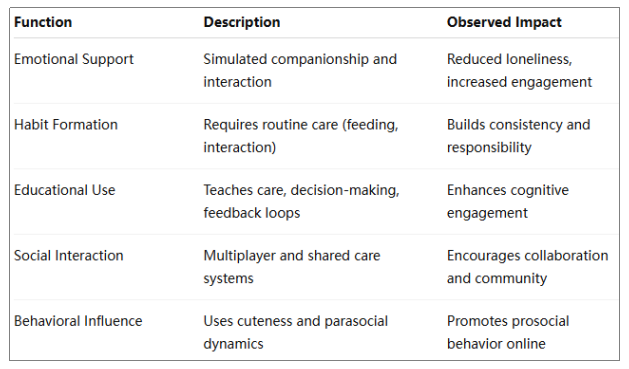
(Table 1-Functions and Impacts of Virtual Pets)
Empirical work on user interaction with virtual companions shows cuteness and parasocial dynamics can influence prosocial online behavior and deepen psychological connection with a digital agent, supporting the idea that virtual pets can generate measurable social engagement outcomes. This research clarifies the mechanisms by which users form attachments to digital agents and suggests virtual pet platforms may have utility beyond simple gameplay.
Virtual pets are now part of a broader category of virtual companions. Advances in AI, augmented reality (AR), and immersive technologies expand the potential forms these companions may take. Systematic reviews of virtual companion technologies indicate that immersive systems—such as AR and VR—can enhance perceived presence and emotional engagement by bridging physical and virtual interaction channels, pointing toward future iterations in which digital pets integrate with real-world contexts. The trajectory of research and commercial products suggests that digital pets will increasingly incorporate behavioral adaptability, contextual awareness, and multimodal interaction.

Virtual Pets in Relation to Real Pet Ownership
Virtual pets and real pets occupy distinct but overlapping domains in user experience and emotional engagement. Real companion animals provide measurable benefits associated with physical presence, including reduced loneliness, enhanced exercise, and social facilitation, which are documented across multiple domains of human–animal interaction research. Loneliness mitigation, psychological resilience, and social support are primary drivers of human attachment to real pets, and these outcomes are often stronger when the pet is a living organism with autonomous behavior. Scientific findings on real pet ownership link companion animals to improvements in well-being mediated by social connection, suggesting that the sensory feedback and physical presence of a real animal remain unique in capability.
Virtual pets do not replace the sensory and physiological effects of real pet contact but replicate selected behavioral and emotional features in a digital form. Users often report that virtual pets provide enjoyment, structure, and low-barrier opportunities for responsibility and engagement, without the logistical constraints of feeding, veterinary care, and housing requirements. Professional analyses note that virtual pet systems can serve as accessible entry points to caregiving experiences for individuals with limitations on real pet ownership due to allergies, housing policies, or time constraints.
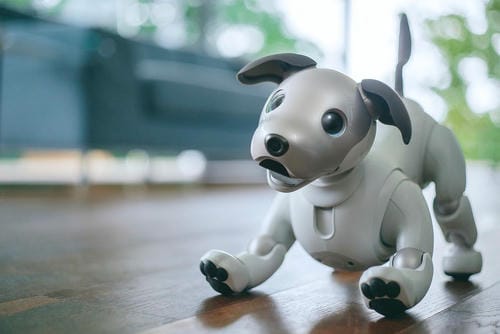
Virtual pet care routines build daily interaction rituals that mimic aspects of real pet care while affording flexibility absent in biological animal care.
Behavioral research into AI pet interaction shows that preferences for AI versus real pets correlate with individual psychological profiles; for example, locus of control rating influences the tendency to favor digital pets, indicating that perceptions of agency and interpersonal agency shape which type of companion is preferred. This framework underscores that virtual pet engagement has a psychological dimension that intersects with personal traits. External locus of control, for example, is associated with higher evaluations of AI companions on measures of purchase intention and perceived familiarity, while internal locus of control may align with preferences for tangible pet ownership.
User discourse from digital forums confirms that while some virtual pet models are valued for customization and convenience, many users perceive digital pets as fundamentally different from biological pets due to the lack of physical interaction and unpredictable autonomy. This distinction underscores that emotional investment in virtual pets often parallels but does not wholly replicate the attachment mechanisms found in ownership of living animals. Virtual pets do not exhibit spontaneous behavior in unstructured environments, nor can they provide physical comfort, both of which are foundational to human–animal bonding.

Cultural and commercial trends support differentiation rather than substitution. The iterative introduction of new digital pet formats and persistent user communities suggests that virtual companions complement rather than replace real pets. Virtual pet engagement aligns with broader digital culture, where interaction frequency, adaptability, and social integration are crucial predictors of sustained engagement. These metrics indicate that virtual pets perform well as digital companions that satisfy specific psychosocial needs without encroaching on the full experiential domain of real pet ownership.
Overall, virtual pet systems and real companion animals present distinct value propositions within the pet ecosystem. Virtual pets offer structured engagement, accessibility, and customizable interaction that align with digital lifestyles, while real pets continue to provide unmatched sensory and behavioral experiences that contribute to human well-being in substantive ways.
(This article does not constitute veterinary, medical, or canine behavior advice. Readers should consult qualified professionals for individualized guidance on animal health, training protocols, or the use of any specific devices or analytics tools mentioned.)
About the Author
Harper Quinn is a technology and lifestyle writer specializing in the intersection of AI, digital culture, and human behavior. With more than a decade of experience covering emerging tech trends, Harper has written extensively about artificial intelligence, virtual social systems, and digital wellness. Her work has appeared in publications focused on future technologies and lifestyle innovation, where she explores the emotional and societal impacts of digital companions and interactive technology. Harper holds an MA in Media Studies and lives in Boston, where she writes about how technology shapes the way we connect, play, and care.
References
[1] Marr, B. (2024, November 8). The Rise Of AI-Enabled Virtual Pets: Why Millions Are Raising Digital Companions. Forbes.
[2] Ghosh, S. (2025, May 29). The Rise Of AI-Generated Virtual Pets: The Future Of Digital Companionship. Amerisourcecon.
[3] AI Productivity Pro. (2025). The Rise of AI Pets and Virtual Animals.
[4] PageKeyLearnPlus.Monster. (2026). Virtual Pet Trends: What’s Next for Digital Companions.