Nocturnal vs. Diurnal Pets: How Biology Influences Your Daily Routine
March 25, 2026
In this Article:
● Animals have natural circadian rhythms that control when they sleep and are active.
● Nocturnal pets, like hamsters and hedgehogs, are awake at night and sleep during the day.
● Diurnal pets, like dogs and most birds, are active during the day and rest at night.
● Pet owners should match their schedules to their pet’s natural activity for better care.
● Respecting a pet’s rhythm helps keep them healthy and reduces behavioral problems.
Estimated Reading Time: 10–11 minutes┃Post by Elena Marwick
The Role of Circadian Rhythms
The rhythm of daily life—when we wake, work, eat, and sleep—feels intuitive, but for animals, these patterns are governed by deeply embedded biological systems. Central to this system is the circadian rhythm, an internal process that cycles roughly every 24 hours and regulates sleep, activity, hormone production, and metabolism.
These rhythms are endogenous, meaning they originate within the organism, but they are also influenced by environmental signals such as light and temperature. Light acts as the most powerful external cue, synchronizing biological clocks to the outside world. This synchronization ensures that animals perform essential functions—feeding, movement, rest—at optimal times for survival.
Within this framework, animals are broadly categorized as diurnal, meaning they are active during the day and rest at night, or nocturnal, meaning they are active at night and rest during daylight hours. These patterns are not arbitrary; they reflect evolutionary adaptations shaped by predation risk, food availability, and environmental conditions.
Importantly, these biological rhythms are not easily altered. Even in domesticated settings, where food is readily available and predators are absent, animals retain the timing mechanisms shaped by thousands of years of evolution. This is why understanding a pet’s natural activity cycle is critical before bringing it into a home environment.
Nocturnal Pets and Their Night-Oriented Lifestyles
Why Some Pets Are Active at Night
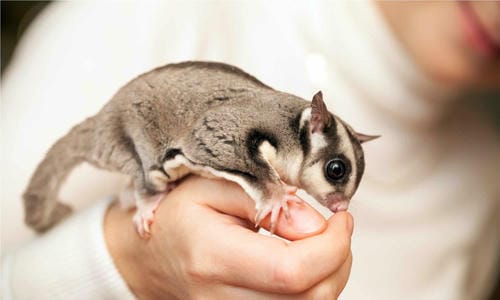
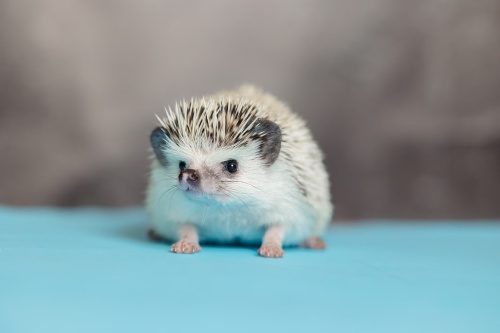
Nocturnal pets such as hamsters, hedgehogs, and sugar gliders are biologically programmed to become active after sunset. This behavior evolved primarily as a survival strategy. By avoiding daylight hours, these animals historically reduced exposure to predators and competition while also conserving energy in harsh daytime climates.
Their circadian systems are tuned so that physiological processes—such as hormone release and energy metabolism—peak during nighttime hours. In nocturnal mammals, activity-related hormonal cycles are essentially reversed compared to diurnal species, ensuring alertness and responsiveness when darkness falls.
Behavioral Patterns in the Home Environment
In a household setting, these biological tendencies manifest in very specific ways. Nocturnal pets tend to sleep deeply during the day, often remaining hidden or inactive. As evening approaches, they become increasingly alert, engaging in exploration, feeding, and exercise.
This can lead to a mismatch with human schedules. Owners may find their pets inactive when they are available for interaction and highly active when they are trying to sleep. Activities such as running on wheels, digging, or chewing are not signs of misbehavior—they are expressions of natural biological rhythms.
Challenges of Living With Nocturnal Pets
Keeping nocturnal pets requires an adjustment in expectations and routine. Interaction must often occur late in the evening, and disturbances during the night are common. Attempting to force these animals into daytime activity can result in stress, defensive behavior, and long-term health issues.
Rather than trying to change these rhythms, responsible care involves accommodating them. This includes providing a quiet, dim environment during the day and allowing natural activity at night, even if it occasionally conflicts with human convenience.
Diurnal Pets and Daytime Compatibility
Why Diurnal Animals Align With Human Schedules

Diurnal pets, including dogs and most birds, are naturally active during daylight hours. Their circadian rhythms are aligned with the rising and setting of the sun, making them highly compatible with human lifestyles.
This alignment is not coincidental. Diurnality offers advantages such as improved visibility for foraging and social interaction, as well as reduced reliance on specialized sensory adaptations needed for nighttime activity.
Daily Interaction and Social Bonding
Because diurnal pets are awake when humans are awake, opportunities for interaction are significantly greater. Feeding, training, play, and social bonding all occur during overlapping active periods. This synchronization strengthens the human–animal relationship and makes behavioral training more effective.

Unlike nocturnal pets, diurnal animals are more likely to seek engagement during the day, responding to cues and routines established by their owners. This makes them particularly suitable for households with structured schedules.
Health and Environmental Considerations
Diurnal pets depend heavily on light exposure to maintain healthy circadian rhythms. Consistent access to natural or well-regulated artificial light supports their physiological balance, including hormone regulation and sleep quality.
Disruptions—such as irregular lighting or inconsistent routines—can negatively impact their wellbeing. Maintaining a stable day–night cycle is therefore essential for long-term health and behavioral stability.
Species Comparisons: Activity and Adaptations
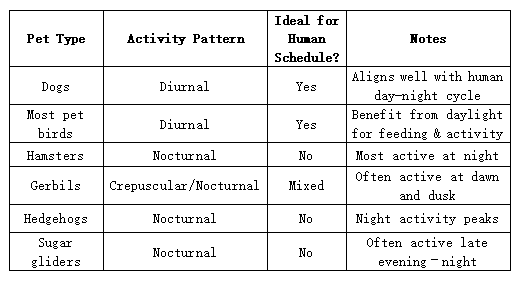
(Table 1- The Relationship Between Pet Activity Pattern and Adoption)
Aligning Pet Choice With Your Daily Routine
Selecting a pet should involve more than aesthetic preference or perceived ease of care. One of the most critical factors is compatibility between the pet’s biological rhythm and the owner’s daily schedule.
For individuals with conventional daytime routines, diurnal pets are generally the most practical choice. Their activity patterns align with working hours, making it easier to provide consistent care and interaction.
Nocturnal pets may be better suited to individuals with flexible or evening-oriented lifestyles. They can also appeal to owners who appreciate observing unique nighttime behaviors and are willing to adapt their schedules accordingly.
However, this requires a clear understanding that these animals will not conform to typical human routines. Their care demands patience, adaptability, and respect for their natural rhythms.
Regardless of the type of pet, maintaining an environment that supports natural circadian cycles is essential. This includes appropriate lighting, consistent feeding times, and minimizing disruptions during rest periods.
Ultimately, successful pet ownership is not about reshaping an animal’s biology but about aligning human habits with it. When this alignment is achieved, it leads to healthier pets, fewer behavioral issues, and a more harmonious living environment.
(This article is intended for educational and informational purposes only. It does not substitute professional veterinary or behavioral advice. Always consult a licensed veterinarian or certified animal behaviorist for guidance specific to your pet’s health and wellbeing.)
Source
[1] https://www.petnation.care/blog/are-cats-nocturnal-crepuscular-or-diurnal-discover-when-theyre-active
[2] https://m.i133.com/news/Diurnal-vs-Nocturnal-Animals.html
[3] https://pubmed.ncbi.nlm.nih.gov/19027018
Inspired by this article? Discover more pet care ideas, training tips, and cute moments here!