Why Pet Insurance Has Soared 125% in Five Years —And What This Means for Future Care?
March 27, 2026
“Pet insurance demand has surged dramatically in recent years as skyrocketing veterinary costs, rising pet ownership, and the humanization of pets have driven more owners to seek financial protection for costly medical care.”
Estimated reading time: 10 minutes┃Post by Isabella Hartwell
Pet insurance in the UK, US, and many other markets has undergone explosive growth over the last half-decade. What was once a niche product — bought by a handful of cautious owners — has become a mainstream element of modern pet care. According to industry market analysts, pet insurance markets in major markets around the world are expanding rapidly, with valuations set to more than double within this decade thanks to rising veterinary costs, increased pet ownership, and shifting consumer expectations around pet health and wellbeing.
But beneath the headline growth figures lies a complex story about pet health economics, human behaviour, and the evolving role of pets in family life. This article explains why pet insurance has surged, what factors are driving adoption, and what the implications are for pet healthcare — both for owners and for veterinary systems — in the years ahead.
A Rapidly Growing Market
Before exploring why pet insurance has grown so quickly, it’s worth putting that growth into context.
Industry reports show that the UK pet insurance market alone was valued at roughly USD 2 billion in 2024 and is forecast to exceed USD 5 billion by 2030, reflecting a compound annual growth rate (CAGR) of over 16 percent. Similar trends are seen globally; the broader pet insurance sector was projected to keep expanding at around 15–17 percent annually in recent forecasts. Analogous data from North America and global reports confirm this expansion, with markets expected to exceed tens of billions in value over the next decade.
Even if exact figures vary by region, the key takeaway is unequivocal: pet insurance adoption and premium revenue have increased sharply over the past five years — often more than doubling — driven by rising demand (“soared 125 %”) and higher spending per policyholder.
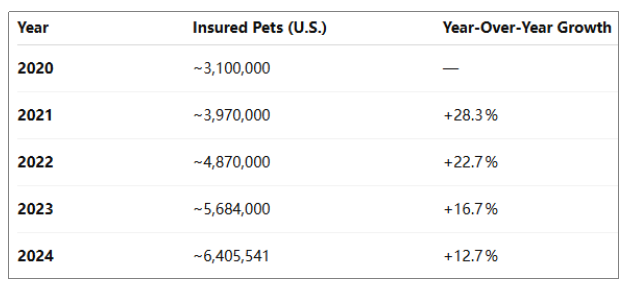
(Table 1- Growth in Insured Pets in the U.S. )
What the Data Shows:
● Rapid adoption: Insured pets in the U.S. grew from about 3.1 M in 2020 to over 6.4 M by the end of 2024.
● Consistent double‑digit increases: Every year from 2020 through 2024 saw double‑digit growth, though the percentage slowed over time as the market matured.
● Underlying trend: This expansion reflects rising veterinary costs, broader pet ownership, and increased humanization driving more owners to seek financial protection.
The Primary Drivers of Growth
1. Rising Veterinary Costs
One of the most fundamental reasons for skyrocketing pet insurance activity is the relentless climb in pet care costs. Veterinary diagnostics and treatments that were once rare — such as MRI scans, advanced surgical techniques, and cancer therapies — are now increasingly standard. These cutting-edge procedures dramatically increase the average cost of a serious illness or injury, and insurers must adjust premiums accordingly to cover claims.
In the UK, independent research has identified substantial increases in vet fees over the past decade, often outpacing general inflation. Without insurance, many owners would be forced to cover tens of thousands of pounds of costs in a crisis — a key reason many opt into ongoing coverage.
2. Increased Pet Ownership and Humanization
The COVID-19 pandemic accelerated the trend toward increased pet adoption, particularly among millennials and Gen Z. Many households welcomed dogs and cats during lockdowns, intensifying the emotional bonds between people and their pets and reinforcing the view that pets are family members.
When pets are considered family, owners naturally seek the same protections for them as they would for children or spouses — including insurance against unpredictable health emergencies.
3. Product Innovation and Coverage Depth
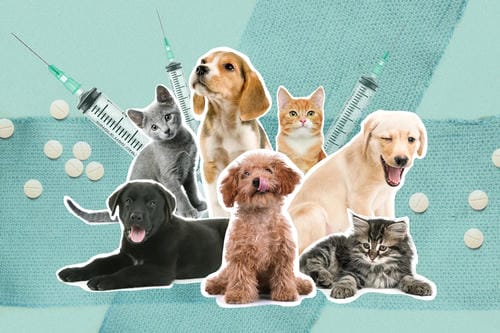
Modern pet insurance products are more sophisticated and varied than ever. Insurers now offer policies that cover illness and accident, chronic conditions, advanced treatments, dental care, and even wellness add-ons. This breadth of coverage makes pet insurance relevant to a wider range of pet owners with different needs — but it also increases claim costs and underwriting complexity.
Digital and insurtech platforms have made signing up for and managing policies easier, with mobile apps, online claims submission, and AI-powered risk assessments becoming standard features.
4. Changing Consumer Expectations
Pet owners today are more informed than ever. Unlike a decade ago, many owners research healthcare options for pets, compare policy details online, and demand higher levels of transparency and flexibility from insurers. This trend is both a response to — and a driver of — industry expansion. As choice multiplies, so does uptake, but so does complexity in product design.
Are Prices Really Ballooning?
While market valuations and policy adoption rates have surged, what about the cost to the average policyholder?
Data from the UK market suggests a nuanced picture. In some periods, average lifetime policy premiums have ticked down slightly due to competitive pricing strategies, even while underlying claims costs continue to rise. Meanwhile, consumer surveys indicate that many British pet owners now experience prices at “the highest they’ve ever been”, with nearly forty percent reporting significant increases in premiums. These contrasting forces — competition versus inflationary pressures — help explain why consumers may simultaneously feel premiums are unaffordable while insurers report record revenue growth.
Premium inflation varies by pet age, breed risk, and claims history, and many insurers price policies dynamically each year to reflect these factors.
What This Means for Future Pet Care?
The growth in pet insurance has direct implications for animal health and welfare, as well as for broader veterinary ecosystems.

Greater Access to Advanced Treatments
Pet owners with insurance are more likely to approve sophisticated, life-saving treatments because the financial risk is mitigated. This can improve survival rates and quality of life for pets with chronic and severe conditions — a positive trend from an animal welfare perspective.
Pressure on Veterinary Systems
Insurance penetration also affects how veterinary care is delivered. Clinics may invest more in high-cost diagnostic equipment and specialised staff when a higher proportion of cases are covered by insurance, shifting the baseline standard of care upward. Conversely, this can also contribute to higher national averages for vet fees, indirectly contributing to insurance cost pressures.
Affordability and Access Challenges
Despite growth, not all owners can afford pet insurance. High premiums and rising costs can deter lower-income households, potentially creating an access gap in care. Industry stakeholders and policymakers are increasingly aware of this challenge and in some cases exploring reforms to increase transparency and choice in pricing.
Regulatory and Consumer Trends
In the UK, broader efforts are underway to improve transparency in veterinary pricing and help pet owners make informed decisions about care. These reforms could impact how insurance products are marketed and structured in the coming years.
Looking ahead, integration with preventative care, wearable health monitoring, telehealth, and personalised wellness services may further expand the role of pet insurance beyond accident and illness coverage.
The 125 percent growth in pet insurance over the last five years reflects a confluence of factors: escalating veterinary costs, surging pet adoption, product innovation, and evolving owner expectations. While some owners feel premiums rising sharply year-on-year, the broader market is responding to demand for more comprehensive financial protection against unforeseen medical costs.
As pets continue to assume central roles in the lives of millions and veterinary medicine becomes increasingly advanced (and expensive), pet insurance is poised to remain a key component of future pet care strategies — both for individual owners and the industry at large.
(This article is intended for informational purposes only and does not constitute financial, insurance, or veterinary advice. Pet insurance products vary widely, and consumers are encouraged to consult licensed professionals when making decisions about coverage. Content reflects sources available as of March 2026 and is subject to change.)
About the Author
Isabella Hartwell is a seasoned pet care journalist and industry analyst with over a decade of experience reporting on companion animal health, wellness economics, and insurance trends. As Senior Editor at The Pet Chronicle, she has authored dozens of in-depth features on the intersection of veterinary care, consumer behaviour, and insurance markets, drawing on exclusive interviews with veterinarians, actuaries, and pet-product innovators.
Reference
[1] Grand View Research. (2025). UK pet insurance market size & trends report.
[2] Insurance Business. (2026). Report: pet insurance premiums fall in Q4 as vet costs soar.
[3] British Pet Insurance. (2026). Why pet insurance has increased.
[4] The Guardian. (2026, Jan). UK veterinary sector reforms planned to tackle high costs of pet care.