Why Some Pets Refuse to Be Adopted and What It Really Means?
March 23, 2026
“Pets don’t refuse adoption—what looks like rejection is usually the result of stress, human bias, and mismatched expectations shaping the outcome.”
Estimated Reading Time: 12–15 minutes┃Post by Eleanor Hartwell
For many animal lovers, the ideal of pet adoption is simple: a shelter pet finds a loving home, completes a successful transition, and becomes a cherished companion. In reality, the journey from shelter to home is far more complex — and for some pets, it appears they refuse adoption altogether. This phenomenon raises crucial questions about animal behavior, shelter environments, human expectations, and systemic challenges in the adoption process.
In this comprehensive, research-grounded analysis, we explore the nuanced reasons why some pets are adopted slowly, returned after adoption, or overlooked entirely. Rather than attributing this to luck or “unwillingness” on the part of the animal, we examine how scientific evidence reveals deeper psychological, environmental, and sociological dynamics at play.
Adoption Behavior Is a Function of Both Human and Animal Psychology
Pet adoption decisions are inherently relational — they depend on how potential adopters perceive, evaluate, and emotionally respond to animals in the shelter environment. Research surveying adopters across multiple U.S. shelters identified key factors that influence which pets people choose, and why some get selected more often than others. The study found that animal appearance, social behavior during greeting, and perceived personality traits were among the strongest predictors of adoption interest. Importantly, adopters rated direct interaction with the animal as more influential than static information such as cage cards or written descriptions of behavior.
This highlights an important insight: adoption choices are not arbitrary, but based on human cognitive biases and preferences — often linked to first impressions. When pets behave in ways that are muted, timid, stressed, or unresponsive due to the shelter environment, it can lead visitors to underestimate their true temperament. This misinterpretation can give the illusion that a pet is uninterested in being adopted, when in fact the pet is simply experiencing stress or environmental inhibition.

Shelters that emphasize behavioral assessment and rich interaction opportunities — such as facilitated play or supervised meet-and-greet zones — can improve the accuracy of adopters’ impressions and reduce these misinterpretations. Providing adopters with accurate behavioral context helps bridge the gap between brief shelter encounters and an animal’s real potential in a home setting.
Stress and the Shelter Environment Profoundly Affect Animal Behavior
Animal behavior inside a shelter is not an objective, stable trait — it is a response shaped by stress, confinement, and sensory overload. Research in shelter settings shows that animals housed in high-stress environments often demonstrate behaviors such as withdrawal, diminished social signaling, and increased fear responses, all of which can be mistaken for disinterest or lack of adoptability.
Shelters, by design, can be noisy, crowded, and unfamiliar. For many animals, especially those with histories of trauma or limited socialization, the novelty and intensity of the shelter environment induces pronounced stress responses. These responses can significantly alter behavioral expression. For example, a dog that typically enjoys human interaction may appear aloof, fearful, or even avoidant under the stress of shelter confinement.
Although empirical studies specifically measuring stress-induced adoptability are limited, analogous research on shelter enrichment shows that environmental enhancements — such as daily walks, human contact sessions, or enrichment toys — can significantly improve adoptability signals and reduce length of stay in shelters. This suggests that stress reduction, not the pet’s inherent “adoptability,” is a key factor influencing how animals present themselves during adoption assessments.
Behavioral Compatibility — Not Refusal — Frequently Drives Returns

Another common misunderstanding about adoption refusal is conflating it with behavioral incompatibility between adopter and animal. Large-scale analyses of shelter adoption and return records demonstrate that behavioral problems are among the most frequently reported reasons for returned adoptions. Analyzing nearly 2,000 return records from a major shelter, researchers found that adopter expectations and perceived behavioral issues were strongly associated with whether owners chose to adopt again after a return.
Notably, the behavioral reasons that lead to returns are often rooted in natural canine or feline responses to a new environment — barking, clinginess, house soiling, or fear reactions — rather than willful “refusal” to bond. What looks like rejection can actually be a mismatch between an adopter’s expectations and the animal’s real temperament, especially when the adopter is unprepared for how the pet may behave while adjusting.
This points to a core insight: adoption success is not solely based on an animal’s inherent disposition, but on the compatibility between the adopter’s expectations, their ability to manage common behavior issues, and the support provided by the shelter or rescue.
Breed, Labeling, and Stereotypes Affect Adoptability
Human biases can also influence how we interpret and choose pets. A recent study examining how breed labels and personality descriptions shape adopter perceptions found that these labels can significantly affect perceived adoptability — even when the underlying behavior of the dog is unchanged. Misapplied or misleading breed labels may activate stereotype biases, such as negative perceptions of certain breeds (e.g., pit bull types). These perceptions can reduce interest in adopting specific animals, independent of their actual behavior.
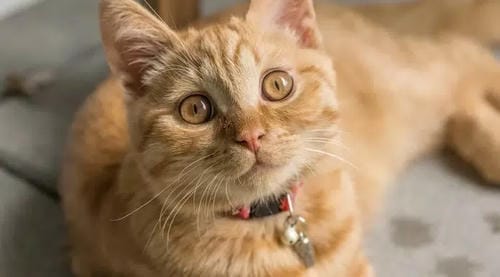
This aligns with broader empirical findings showing that breed labels can extend an animal’s length of stay in shelters and reduce adoption likelihood, not because of differences in temperament, but because of entrenched social biases.
Although debate continues about the utility of breed labels in shelter contexts, this research clearly demonstrates that how animals are framed — not just their behavior — plays a role in adoption outcomes.
Return Rates and Their Implications for Adoption Trends
“Refusal,” when construed as failure to form bonds or complete the adoption process, is sometimes reflected in adoption return statistics. Data from Scientific Reports analyzing nearly 24,000 shelter adoption records reveal that returns are not rare; they are an important part of understanding why some adoptions don’t “stick”. In this study, factors such as age and breed were found to significantly influence the likelihood of a pet being returned post-adoption, as well as return reasons and outcomes.
The research underscores that returns are not an aberration but a meaningful indicator that adoption outcomes are influenced by multiple variables beyond simple voluntariness or choice. Behavioral issues, adopter expectations, environmental mismatches, and demographic factors all converge to shape the adoption trajectory.
The Accessibility and Process Issues That Affect Adoption Rates
Another dimension of the adoption dilemma lies not in the pets themselves, but in the accessibility and structure of the adoption process. While shelters implement screening processes to protect animal welfare, overly stringent requirements — extensive forms, aggressive vetting, and invasive personal inquiries — can deter potential adopters. Many prospective adopters report that these procedural hurdles feel overwhelming or intimidating, discouraging them from completing an adoption even when they deeply want a pet.
Although formal research on adoption barriers is still emerging, observational reports from shelter volunteers and adopters indicate that systemic process complexity suppresses adoption throughput and decreases the pool of potential matches. In this sense, pets aren’t refusing adoption — the system itself creates barriers that filter out good potential homes before a match is even made.
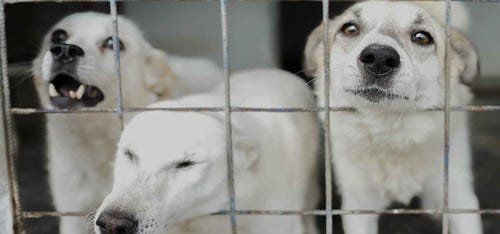
The idea that some pets “refuse” adoption is not supported when examined rigorously. Instead, research shows that adoption outcomes are shaped by a complex interplay of animal stress responses, human psychology, systemic processes, and social biases.
Rather than attributing prolonged shelter stays or returns to an animal’s subjective choice, we should interpret these phenomena as markers of mismatch between environment and expectation — both human and animal. Addressing these mismatches with evidence-based practices can not only improve adoption rates but also ensure more successful, sustainable lifelong placements.
(This article is intended for informational purposes and does not substitute professional guidance from veterinarians, animal behaviorists, or shelter professionals. Adoption decisions should be made in consultation with qualified experts.)
About the Author
Dr. Eleanor “Ellie” Hartwell is an animal behavior scientist and advocate with over 15 years of experience studying companion animal psychology and shelter dynamics. Hartwell’s work spans peer-reviewed research, consulting with shelters to improve adoptability outcomes, and applying science-based behavior assessment methods that help animals thrive beyond stressful environments.
References
[1] Archer, C., Hall, N. J., & Andrukonis, A. (2025). The role of breed and personality descriptions in influencing perceptions of shelter dog adoptability. Animal Welfare.
[2] Bradley, J., & Rajendran, S. (2021). Increasing adoption rates at animal shelters: a two-phase approach to predict length of stay and optimal shelter allocation. BMC Veterinary Research, 17.
[3] Powell, L., Reinhard, C., Satriale, D., Morris, M., Serpell, J., & Watson, B. (2022). The impact of returning a pet to the shelter on future animal adoptions. Scientific Reports, 12, 1109.
Don’t leave just yet—there are plenty more adorable pets and helpful tips waiting for you!