What Happens When Your Pet Has a Digital Twin?
March 23, 2026
“A digital twin turns your pet into a real-time, data-driven virtual replica that not only mirrors their health and behavior but can also predict, optimize, and reshape how you care for and emotionally connect with them.”
Estimated Reading Time: 12–14 minutes┃Post by Elias Rowan Hart
A New Kind of Companion in the Digital Age
The idea sounds futuristic, almost cinematic: your dog or cat has a second self—not made of fur or bone, but of data, algorithms, and predictive models. This “digital twin” is not just a novelty or a gadget. It is a continuously evolving simulation that mirrors your pet’s biological state, behavior, and environment in real time.
Digital twin technology, long used in industries like manufacturing and healthcare, is now entering the pet world. At its core, a digital twin is a dynamic virtual replica of a physical entity, continuously updated through sensor data and historical inputs to simulate and predict real-world outcomes . When applied to pets, this means something profound: your companion animal becomes both a living being and a data-driven system that can be analyzed, interpreted, and even partially predicted.
So what actually happens when your pet has a digital twin? The answer unfolds across three major dimensions: how we care for pets, how we understand them, and how we relate to them.
The Transformation of Pet Care and Understanding
When a digital twin enters the picture, pet care shifts from intuition-based to data-augmented decision-making. Traditionally, owners rely on observation—changes in appetite, behavior, or energy—to infer health issues. A digital twin, however, operates continuously and at a level of detail far beyond human perception.
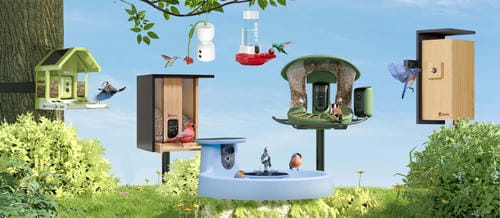
The foundation of this transformation lies in real-time data collection. Wearable sensors, smart collars, cameras, and environmental monitors feed streams of information into machine learning systems. These systems construct a continuously updating model of the pet’s physiological and behavioral state.
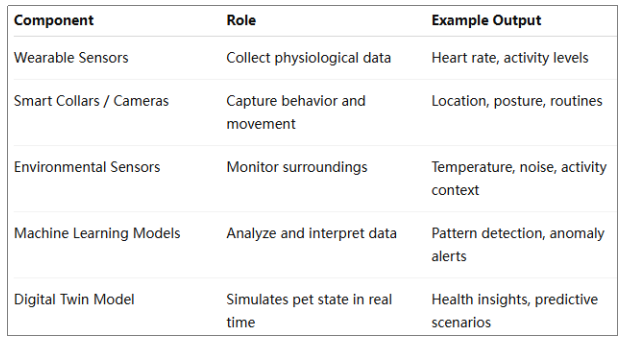
(Table-1 Digital Twin System Architecture)
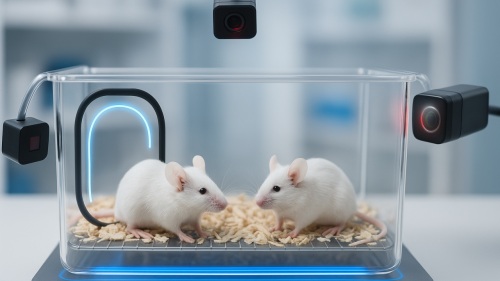
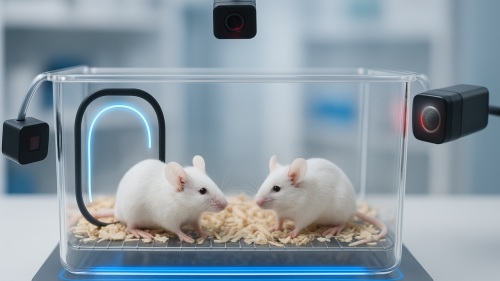
In animal research, similar systems already track biological cycles and predict future conditions based on sensor data. Translating this into household pets allows for early detection of subtle anomalies that might otherwise go unnoticed.
What changes first is timing. Instead of reacting to illness after symptoms become obvious, owners can intervene earlier. A slight deviation in sleep patterns or movement might signal discomfort or disease before visible signs appear. The digital twin effectively extends the owner’s awareness, turning invisible micro-patterns into actionable insights.
Hyper-Personalized Care Becomes the Norm
At the same time, personalization becomes far more precise. No two pets are identical, even within the same breed. A digital twin integrates variables such as age, genetics, activity levels, and environment to generate tailored recommendations.
This could include optimizing diet, adjusting exercise routines, or modifying living conditions. Rather than following generalized guidelines, pet care becomes individualized at a granular level. The system continuously refines its recommendations as new data flows in, creating a feedback loop that improves over time.
Another major shift occurs in behavioral understanding. Animals communicate through patterns—posture, movement, timing, and subtle cues that humans often miss or misinterpret. Advanced digital twin systems can analyze these signals at scale, identifying correlations between behavior and emotional states.
In agricultural and research contexts, digital twins are already used to interpret animal well-being based on physiological and behavioral indicators . For pet owners, this means gaining access to a layer of emotional insight that was previously inaccessible.
The result is a deeper, more informed relationship with the pet. Owners are no longer guessing what their animal might be feeling or experiencing; they are engaging with a system that continuously interprets those signals.
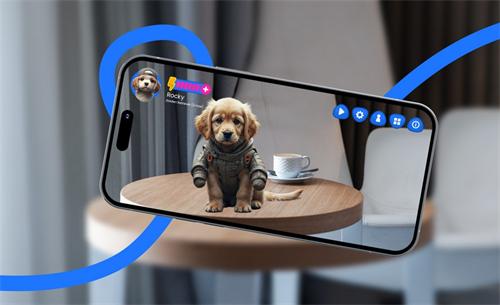
Yet this increased understanding comes with a subtle shift in perception. When your pet’s life is translated into data streams and predictive models, it becomes possible to view them not only as companions but also as systems that can be optimized.
This dual perspective—emotional and analytical—defines the new reality of pet ownership in the age of digital twins.
The Emotional, Ethical, and Future Implications
Simulation Changes the Relationship
As digital twins become more sophisticated, their role extends beyond monitoring and into simulation. This is where the concept becomes more complex—and more controversial.
A digital twin does not merely record the present; it can model possible futures. By running simulations, the system can estimate how changes in diet, activity, or environment might affect a pet’s health. In scientific research, digital twins have already been used to simulate biological processes and predict outcomes, accelerating experimentation and discovery .
This introduces a new form of foresight into everyday pet care—one where decisions can be tested virtually before being applied in real life.
The Question of Identity
If a digital twin can accurately model your pet’s behavior, is it simply a tool—or something closer to a representation of identity?
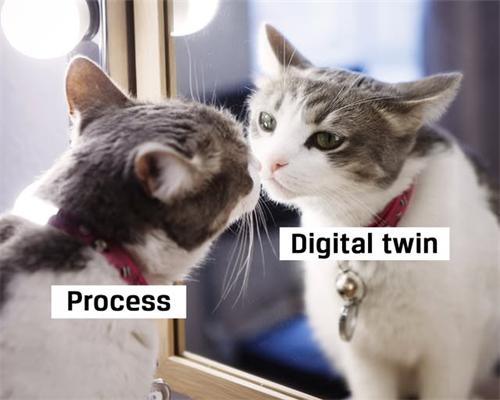
The twin contains the pet’s history, patterns, and tendencies. It can approximate how the pet might respond in hypothetical scenarios. In this sense, it becomes a kind of “data shadow”—a parallel existence that mirrors the original.
This doesn’t make it alive, but it does make it meaningful.
Grief, Memory, and Digital Afterlife
The most emotionally complex implication emerges when the physical pet is no longer present. Unlike traditional memories—photos or videos—a digital twin can remain active. It can continue to simulate behavior based on accumulated data.
This creates a new form of digital legacy, one that blurs the boundary between memory and ongoing interaction.
For some, this could offer comfort, a way to preserve connection. For others, it may complicate the grieving process, making it harder to accept loss. The ethical question is not just whether such technology should exist, but how it should be used responsibly.
Privacy and Control in a Data-Driven World
Privacy is another critical concern. A pet’s digital twin is built on data collected from the home environment—movement patterns, locations, routines, and even audio or visual inputs.
Digital twin ecosystems are known to raise significant security and privacy challenges due to the scale and sensitivity of collected data . While the subject is the pet, the data inevitably reflects the owner’s life as well.
Without clear governance, transparency, and user control, this data could be vulnerable to misuse.
There is also the risk of over-reliance. When technology provides constant feedback and recommendations, owners may begin to defer to algorithms rather than their own judgment.
While data-driven insights can enhance care, they cannot fully replace the intuitive, emotional understanding that defines the human–animal bond.
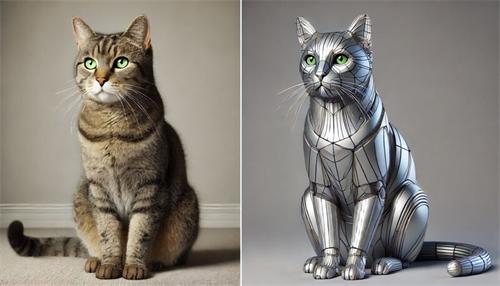
Looking forward, the trajectory of digital twin technology suggests increasing sophistication. Advances in AI, sensor networks, and simulation models are making digital twins more accurate and more accessible.
In the near future, pet digital twins could integrate seamlessly with veterinary systems, insurance models, and broader health ecosystems. They may contribute to large-scale datasets that improve animal health research, benefiting not only individual pets but entire species.
Ultimately, when your pet has a digital twin, what happens is not a single change but a convergence of many. Care becomes predictive, understanding becomes deeper, and the relationship expands into a hybrid physical-digital space. At the same time, new ethical, emotional, and societal questions emerge—questions that will shape how this technology is adopted and regulated.
The digital twin is not your pet. It does not replace the warmth of presence, the unpredictability of personality, or the immediacy of connection. But it does create a second layer of existence—one that reflects, interprets, and anticipates the life of your companion in ways that were previously unimaginable.
(This article is intended for informational purposes only and does not constitute veterinary, technical, or legal advice. Digital twin technologies are still emerging and may vary in accuracy, reliability, and data security standards. Pet owners should consult licensed veterinarians for medical concerns and carefully review privacy policies before using connected pet technologies.)
About the Author
Dr. Elias Rowan Hart is a speculative pet technology writer and former veterinary research consultant specializing in AI-driven animal health systems. With a background in computational biology and over a decade of experience working alongside veterinary clinics and pet tech startups, he focuses on how data, machine learning, and digital twin models are reshaping modern pet care. His work bridges the gap between emerging science and everyday pet ownership, offering readers a forward-looking perspective on the evolving human–animal relationship.
References
[1] Wang, Y., et al. (2023). A survey on digital twins: architecture, security and privacy. arXiv.
[2] Han, X., Lin, Z., Clark, C., Vucetic, B., & Lomax, S. (2022). AI based digital twin model for cattle caring. Sensors, 22(19), 7118.
[3] Stanford Medicine. (2025). AI models of the brain as digital twins.
Love this content? There’s a whole world of pet care tips and stories waiting for you!